Art Basel Basel VIP Preview Access: A Considered Art Itinerary
Evorand · 15 October 2026
Preview access is only the beginning of a rewarding Basel visit. Understand invitation conditions, prepare for gallery conversations and build an itinerary with room to look twice.
Art Basel Basel VIP preview access admits invited visitors before the fair’s public opening, but only on the days and at the times specified by their credentials. An ordinary admission ticket does not confer preview access, and accompanying guests, associated events and private visits require their own checks.
The useful question is not simply how to enter early. It is how to turn that access into informed gallery conversations, time for a second look and a Basel itinerary that reflects what you actually collect.
How does Art Basel Basel VIP preview access work?
Preview admission depends on an invitation and registration process governed by Art Basel and the relevant invitation conditions for that edition.
Collectors may receive invitations through participating galleries or the fair’s VIP relationships. An established gallery relationship can be a useful starting point, but previous purchases or attendance at another Art Basel fair do not automatically establish a particular entry entitlement in Basel.
Begin with the credential rather than the label. Ask which edition it covers, when admission begins and what registration must be completed. If an intermediary is involved, the decisive confirmation is still the access recognised by the organiser, not a general description of a VIP experience.
For someone building a collection, a concise introduction is more useful than an expansive request for privileges. Explain the artists, periods or media you follow and the conversations you hope to have.
What does a preview invitation include?
A preview invitation includes its stated admission rights, not unrestricted entry to every event taking place during Basel’s art week.
A gallery dinner, museum reception or private collection visit can have a separate host and approval process. Even an event appearing in an associated programme may require registration or be subject to capacity. Treat each confirmation as a distinct part of the itinerary.
Before committing to travel, establish:
- The valid preview days and earliest permitted entry time.
- The named holder, registration requirements and identification conditions.
- Whether an accompanying guest is included or needs separate credentials.
- Which additional visits require reservations or host approval.
- The applicable cancellation, name-change and transfer conditions.
Accommodation, transfers, guiding and fair admission should also be described separately in any proposed arrangement. This makes the difference between confirmed services and pending requests immediately clear.
When should you plan the trip?
Art Basel’s Basel fair takes place in June, and travel should be aligned with the current official calendar and your confirmed admission window.
Do not use the public opening date as a substitute for checking preview arrangements. Equally, an invitation bearing a VIP designation should not be assumed to allow entry at the earliest preview session.
Review accommodation early, while keeping booking conditions in view if access remains pending. Arriving the day before your first important fair appointment is a sensible planning choice, allowing time for a delayed journey, registration checks and a final review of the floor plan.
A practical sequence is to define your collecting interests, confirm the access under consideration, then finalise travel and appointments. Keep the invitation details alongside the daily schedule rather than in a separate chain of messages.
How much time should you spend at the fair?
Two focused visits usually make a better collecting itinerary than one uninterrupted attempt to see every stand.
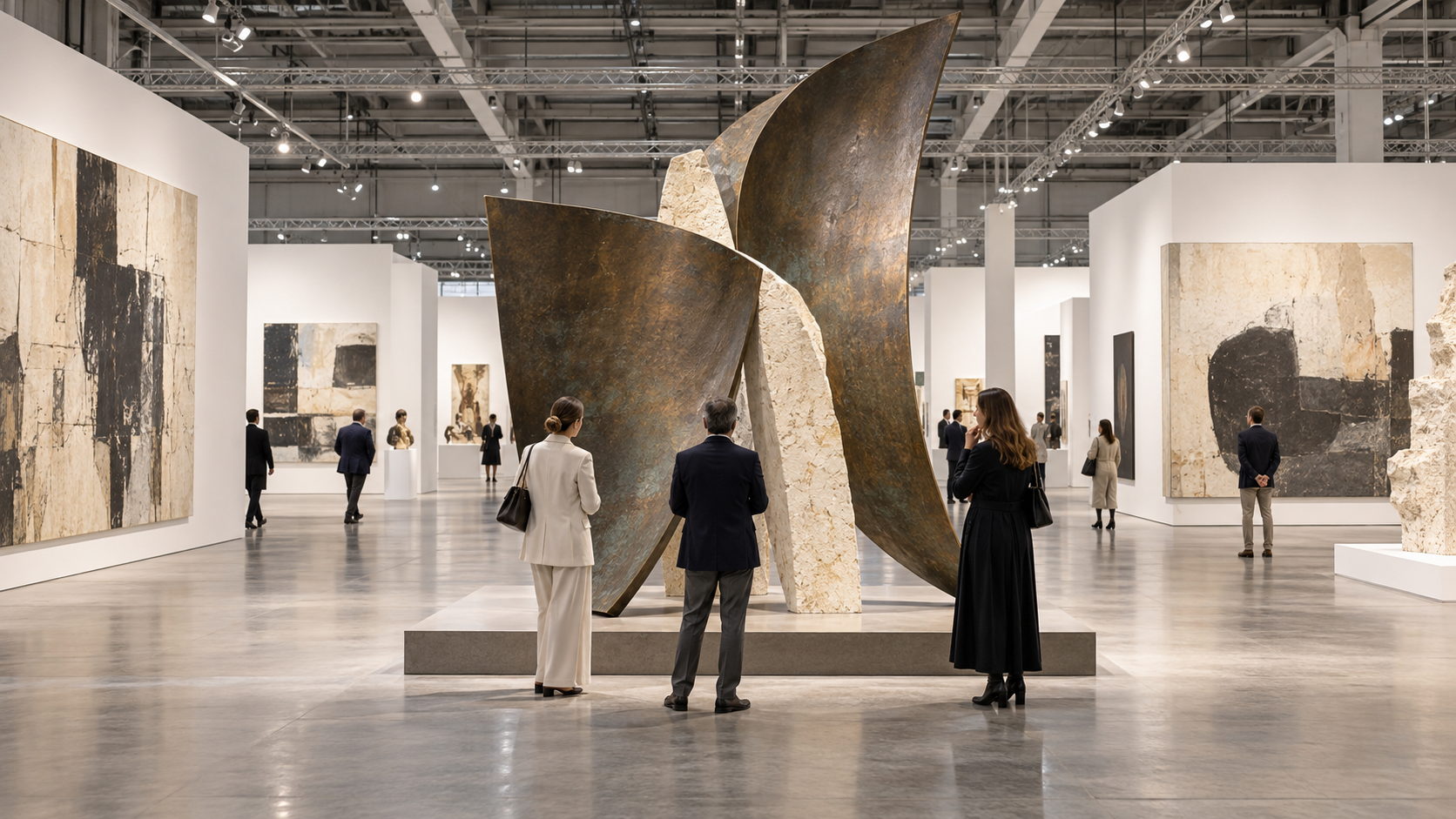
Messe Basel is the fair’s principal venue. Use the current exhibitor list and floor plan to identify essential galleries, exploratory stops and works worth revisiting. A short priority list leaves space for discoveries without allowing the day to become entirely accidental.
Reserve a distinct block for Unlimited, Art Basel’s sector for large-scale projects beyond the conventional booth format, checking that edition’s programme and admission arrangements. Moving between intimate stand presentations and larger installations changes the demands on your attention.
Preview hours are not necessarily quiet. Galleries may be handling concentrated interest, and a substantive conversation can be easier at an agreed return appointment. A proper break away from the stands is useful preparation for looking carefully again.
What should you ask a gallery before buying?
A productive acquisition conversation establishes the work’s identity, history, condition and sale terms before moving towards commitment.
Introduce the collection briefly and explain what draws you to the work. If you choose to share a budget range, do so privately and directly. For a particular artist, advance contact may help clarify what the gallery plans to present, without implying that any work will remain available.
Request the full artwork details, provenance and condition information. For editioned works, ask about the edition and certification; for installations or time-based media, discuss equipment, installation instructions and ongoing technical requirements.
Early admission does not guarantee acquisition priority or an allocation. A work may already be reserved, or a gallery may assess placement separately. Keep notes by gallery, artist and work, recording the unanswered question rather than relying on a photograph alone.
What does a considered three-day Basel itinerary look like?
A useful three-day framework combines arrival time, a focused preview visit and a return to the fair, with a museum visit providing perspective.
This is a suggested rhythm, not the official event schedule. Adjust the order to your actual credentials, museum opening hours and confirmed appointments.
Day one: arrive without a crowded agenda
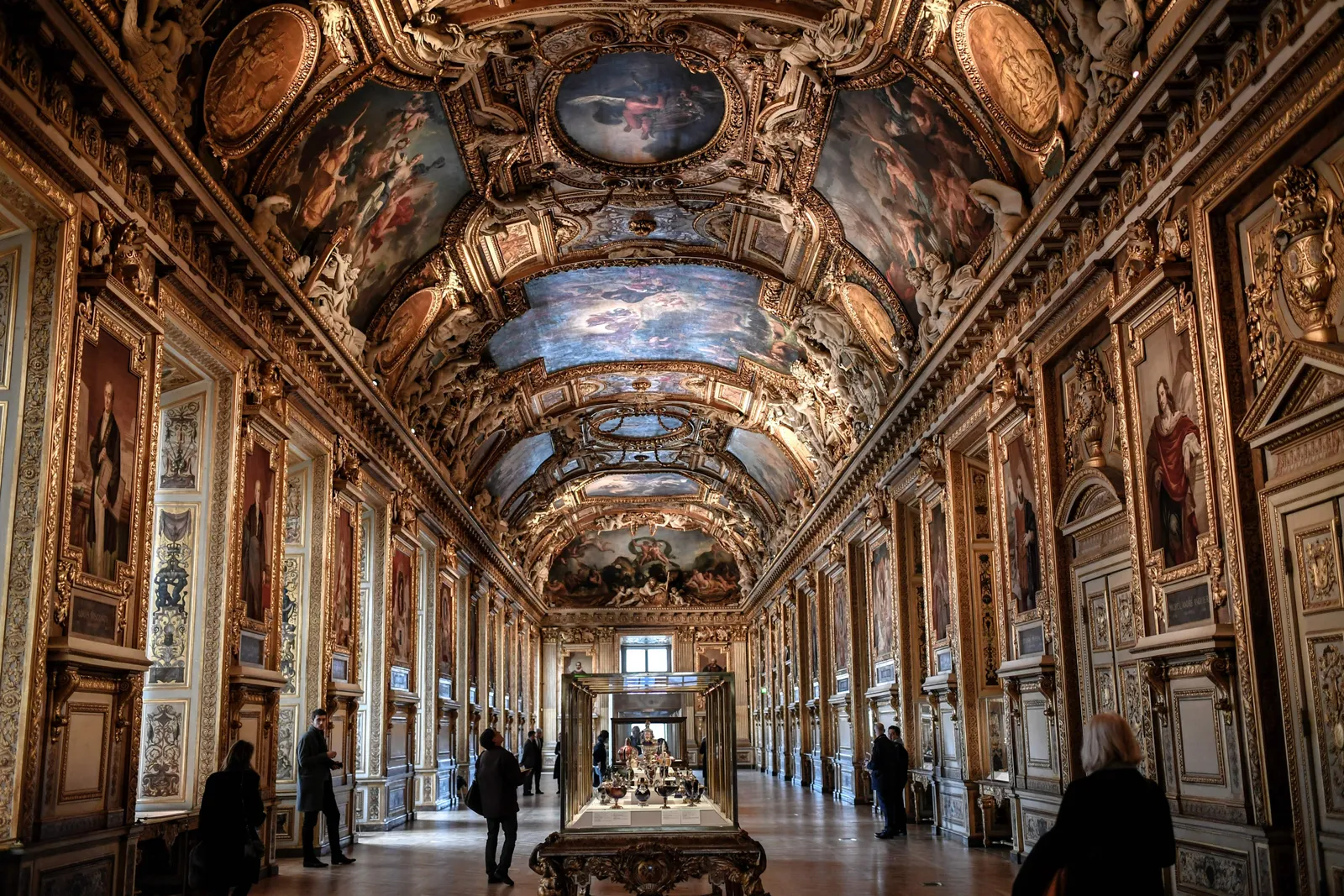
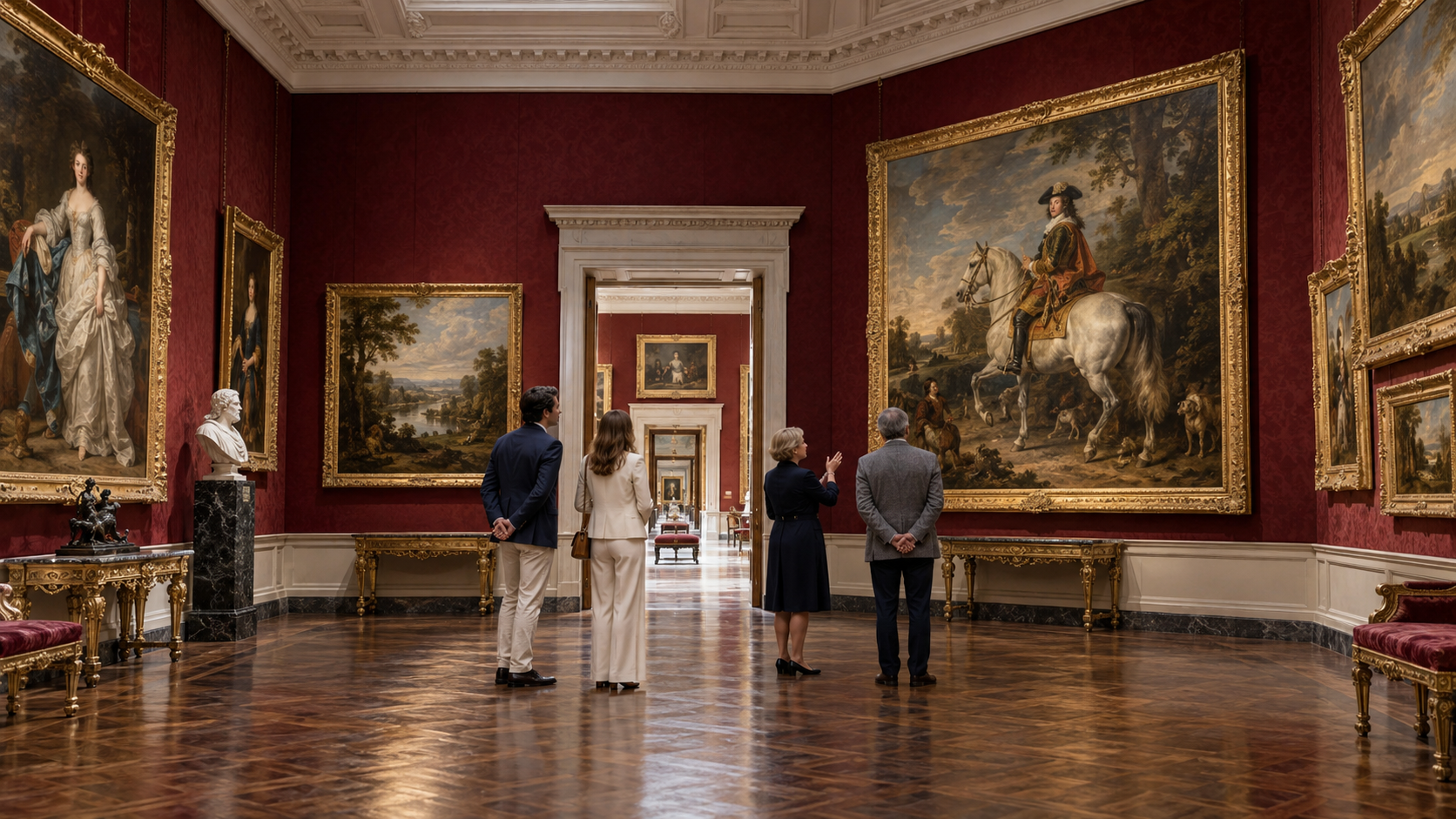
Settle in, take a short walk and review the next day’s gallery priorities. If time permits, Kunstmuseum Basel offers a substantial historical and modern context for contemporary collecting; check which buildings and exhibitions are open before choosing the visit.
Day two: preview with purpose
Start at Messe Basel when your invitation permits, giving priority galleries your freshest attention. After a break, allow time for discovery or Unlimited. One confirmed evening engagement is often more rewarding than several overlapping invitations.
Day three: return, then change perspective
Revisit shortlisted works while your first impressions are still clear, provided your credentials allow admission. A subsequent visit to Fondation Beyeler in Riehen creates a different setting for looking. Leave enough travel time to experience the museum rather than merely reach it.
Which practical details make the greatest difference?
The best Basel base is one that supports your actual movements between Messe Basel, museums and evening appointments.
Messe Basel is on the Kleinbasel side of the Rhine, while the historic centre and Basel SBB station serve different parts of a stay. Compare tram connections and walking routes, not just a hotel’s apparent proximity on a map.
For arrivals at EuroAirport Basel–Mulhouse–Freiburg, specify the meeting point carefully: the airport has Swiss and French sides. If travelling through Zurich, compare onward rail and road arrangements using current schedules rather than assuming one is automatically more convenient.
After an acquisition, transport deserves its own planning. Switzerland is outside the European Union; destination, route and artwork characteristics can affect customs requirements. Confirm invoicing, packing, condition reporting, insurance and delivery responsibilities with the gallery and appropriate specialists before dispatch.
To consider Basel with Evorand, share your preferred travel window and collecting interests. The starting point is a clear discussion of available access and an itinerary that gives the right works, galleries and museums your time.
Frequently asked questions
- Is there a dress code for Art Basel in Basel?
- Check the current conditions attached to your invitation, particularly for separately hosted evening events. For fair visits, comfortable walking shoes and clothing that works across changing indoor temperatures are practical choices.
- Can I photograph artworks at the fair?
- Follow the fair’s current photography policy and any restrictions specified by individual galleries or installations. Ask before using professional equipment or recording detailed video; permission to take a photograph does not grant commercial reproduction rights.
- Do I need an art adviser to attend Art Basel?
- An art adviser is not required to visit the fair. If you engage one for acquisitions, clarify fees, any gallery-paid commissions and potential conflicts of interest before proceeding.
- Does a VIP invitation replace a visa for Switzerland?
- A fair invitation does not replace a visa or other entry requirement. Switzerland belongs to the Schengen area, and the documents required depend on your nationality, passport and residence status.
- Can I pay for an artwork in euros?
- The invoice currency and accepted payment method are determined by the selling gallery and the agreed transaction terms. Switzerland’s domestic currency is the Swiss franc, so confirm currency conversion and bank charges rather than assuming all purchases will be settled in euros.