The Best Time to Visit Raja Ampat: Diving, Rainfall and Sea Conditions
Evorand · 26 October 2026
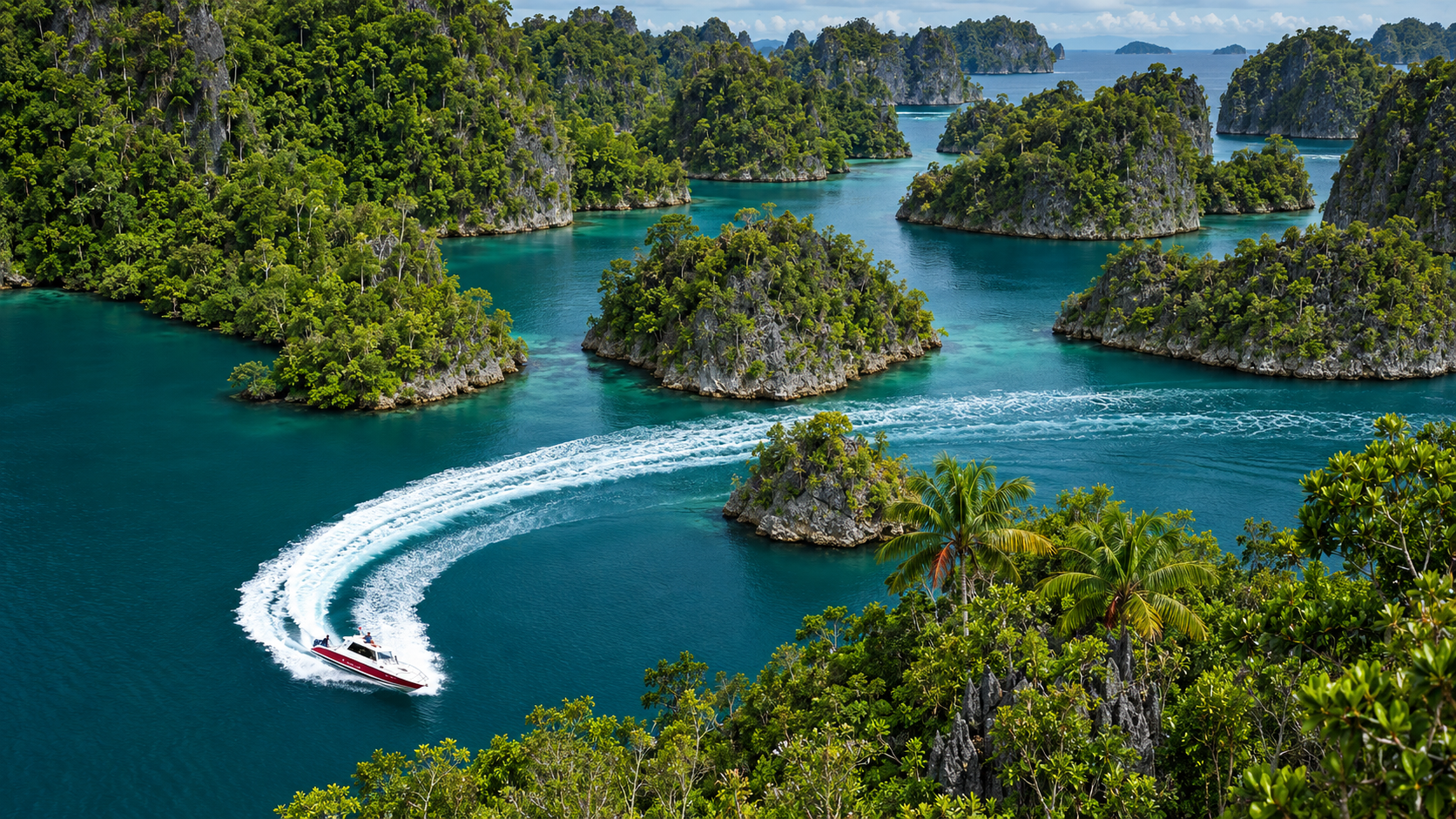
October to April is the broad starting point, not the whole answer. Choose your Raja Ampat dates around regional sea conditions, diving priorities and the wildlife you hope to encounter.
The best time to visit Raja Ampat is generally October to April, particularly for diving journeys combining several island groups and longer boat passages. Rain remains possible throughout the year, so the right dates depend on your route, tolerance for sea movement and interest in particular marine life.
When is the best time to visit Raja Ampat for calmer seas?
October to April generally offers the most favourable window for a broad Raja Ampat itinerary, including routes extending south to Misool. This is a practical planning range, not a promise of uninterrupted sunshine or flat water.
The southeast monsoon becomes more relevant outside this window, with exposed passages often more affected during the middle of the year. Conditions do not change overnight at the beginning of a month: transitional weeks require particular attention to the intended route.
- October–April: The main period to investigate for multi-region diving itineraries and journeys including Misool.
- May–June: Assess transitional conditions and increasing southeast winds against the actual itinerary.
- July–August: Allow for greater wind exposure and rougher open-water passages on affected routes.
- September: Conditions may begin improving, but operating schedules and local reports still matter.
If your dates are fixed, adapt the geography before dismissing the destination. A carefully chosen central Raja Ampat base may remain viable when an ambitious circuit would be less comfortable.
Does Raja Ampat have a reliable dry season?
Raja Ampat does not have a reliably rain-free season, and rainfall alone is a poor measure of whether a journey will work. These equatorial islands should not be planned using Bali’s seasonal shorthand.
A tropical shower may pass without materially changing a sheltered reef dive. Conversely, a bright day can bring uncomfortable seas if wind and swell affect an exposed crossing. Rainfall, surface conditions and underwater conditions are related, but they are not interchangeable.
Ask which directions your accommodation and regular boat routes are exposed to, rather than simply asking which month is driest. Closer to departure, marine forecasts from Indonesia’s meteorological agency, BMKG, should be considered alongside the local team’s observations. A generic forecast for the wider region cannot describe every sheltered bay or offshore reef.
Do Misool and the Dampier Strait follow the same calendar?
Misool and the Dampier Strait require separate seasonal judgements because their geography creates different exposure and routing options. A favourable month for one particular base does not automatically validate every passage across the archipelago.
Southern itineraries involving Misool can depend on substantial open-water crossings. Some accommodation and vessel operations pause or relocate during the southeast monsoon period. Confirm the operating season for the specific journey rather than assuming that every advertised route runs year-round.
In central Raja Ampat, bases around Waigeo and Gam may offer access to sites facing different directions, creating more scope to adjust a day’s programme. That flexibility does not make the region immune to rough weather. Adding Wayag farther north also changes the journey: an appealing extra stop on a map introduces additional passages that need their own assessment.
Which months have the best underwater visibility?
Underwater visibility in Raja Ampat cannot be reliably predicted from the month alone. Plankton, tidal movement, wave action and local runoff can produce different conditions at neighbouring sites during the same week.
Heavy rain may reduce clarity near shore without affecting an offshore reef in the same way. Clear skies do not guarantee clear water, either. Treat any fixed visibility promise cautiously, especially when it is applied to the entire archipelago.
Photographers should distinguish between priorities: a wide-angle reef scene benefits from different conditions than a close study of small marine life. Plankton-rich water may soften distant detail while supporting feeding activity. The clearest water and the most compelling wildlife encounter are not necessarily found together.
When should you travel for manta rays?
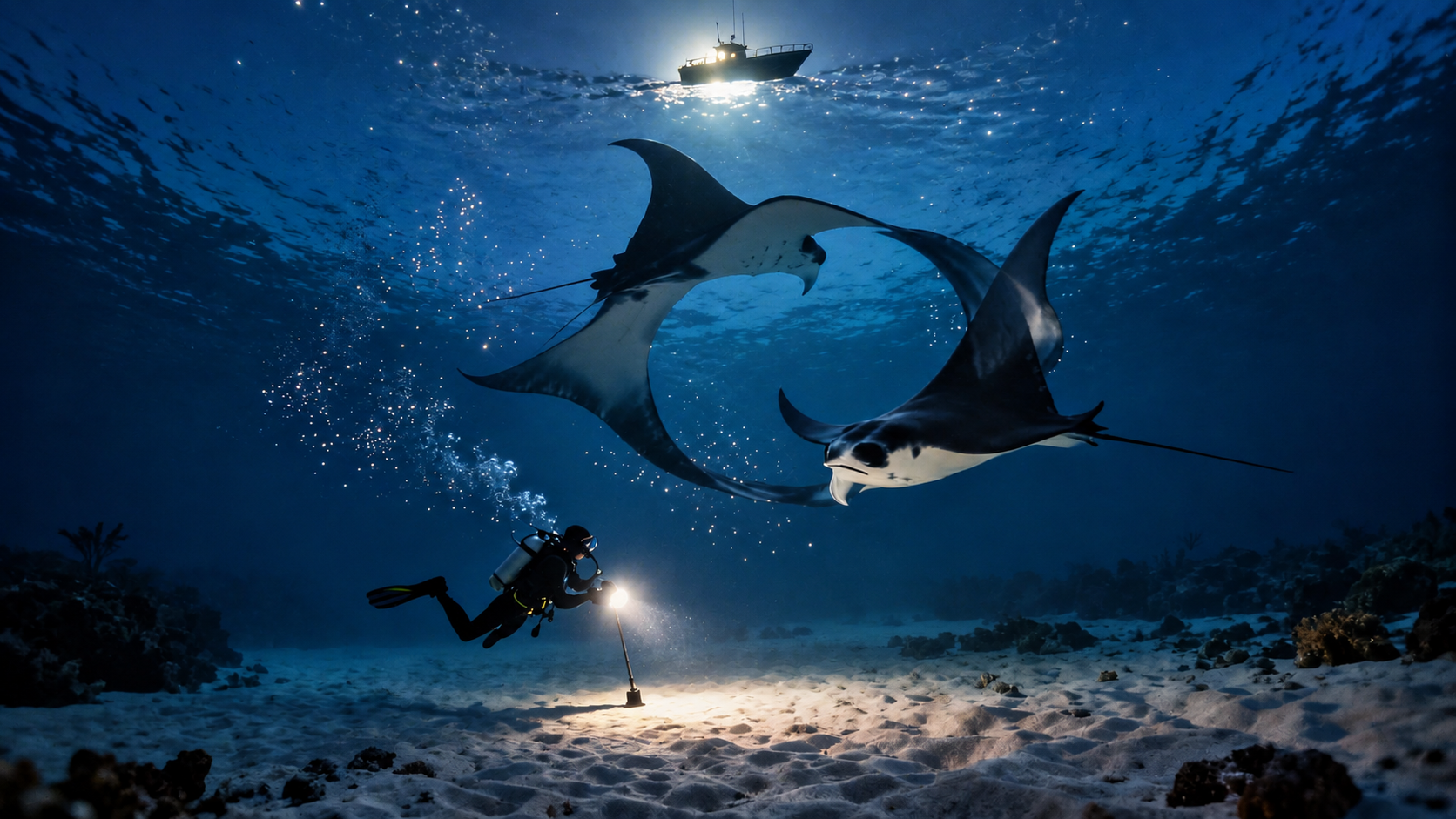
October to April is a useful starting window for a manta-focused Raja Ampat journey, but sightings depend on local conditions rather than a guaranteed seasonal appointment. Food availability, current and animal movements all influence encounters.
At established sites such as Manta Sandy, timing within the day can matter as much as the month. Watching mantas at a cleaning station is different from encountering them while feeding, and the guide’s approach should reflect that behaviour.
Responsible observation means following local positioning rules, leaving animals space and never pursuing them to prolong an encounter. Raja Ampat’s reefs and resident marine communities provide interest throughout the year; a rewarding itinerary should not depend entirely on one species appearing.
What changes for snorkellers and less experienced divers?
Snorkelling dates should be chosen around surface comfort, suitable reef access and local currents, not simply the published diving season. A site that suits experienced divers may be inappropriate for a family snorkelling session.
Ask about sheltered alternatives, boat entry and exit, and how the programme accommodates different swimming abilities. For travellers prone to seasickness, fewer regions and a land-based stay may be more comfortable than an itinerary built around frequent relocations.
Calm-looking water does not prove that currents are weak. Tidal flows can be strong in Raja Ampat’s channels, and tidal ranges generally increase around new and full moons. Local assessment should determine when and where to enter the water; a fixed daily schedule should never override that judgement.
What does a private boat or guide actually change?
A private arrangement changes the flexibility of your programme, not the weather or the rules governing protected places. Depending on the arrangement, it can allow more time for photography, a gentler daily rhythm or site choices suited to your group.
Clarify whether “private” means a dedicated guide, an exclusive day boat or an entire liveaboard charter. These offer different levels of control. Ask what happens if sea conditions prevent the planned crossing and which alternative areas are realistically available.
Private use does not confer ownership of a reef or exemption from conservation requirements. Local permissions, visitor procedures and safety decisions still apply. The meaningful advantage is having a programme that can respond thoughtfully to conditions, rather than treating an ambitious itinerary as an obligation.
What should you establish before confirming dates?
The most useful date recommendation begins with your priorities, experience and willingness to adjust the route. Availability alone cannot determine whether a particular week suits the journey you have in mind.
- Underwater priorities: Intensive diving, mantas, photography, snorkelling or a balance of activities.
- Experience: Certification, recent diving history, confidence in currents and swimming ability.
- Geographic priorities: Whether Misool or a northern extension is essential.
- Comfort requirements: Tolerance for crossings, preferred accommodation style and time for rest.
- Flexibility: Alternative departure windows and room for weather-related changes.
Choose the vessel or accommodation after establishing these points, not before. Leave an appropriate no-fly interval after diving, based on the dive profile and current safety guidance. Avoiding an overfilled final day also makes a remote journey less vulnerable to disruption.
Which other journeys belong on the shortlist?
Raja Ampat belongs within a wider selection of journeys shaped by marine environments and remote landscapes. These Evorand offerings provide related directions to explore, rather than destinations with interchangeable seasons.
- Raja Ampat — The Last Paradise: The direct starting point for the journey discussed here.
- Ocean Experiences: For travellers whose interests begin with the sea.
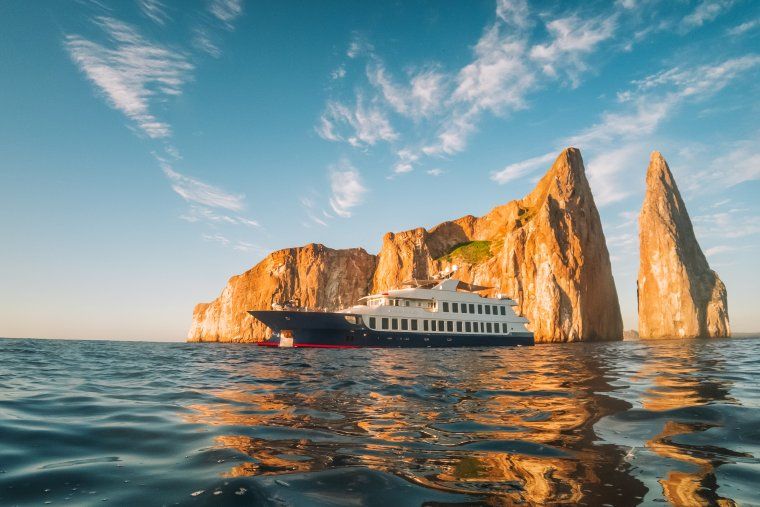
- Galápagos Islands: For a particular interest in island ecology and wildlife.
- Maldives: For an Indian Ocean island journey.
- Journey to Antarctica: For a shift towards polar wilderness.
- Greenland – Within the Ice: For northern seascapes and ice landscapes.
Share your preferred travel window and underwater interests with Evorand to begin planning Raja Ampat. The right conversation starts with the season, the region and the pace that suits you.
Frequently asked questions
- Do I need a wetsuit for diving in Raja Ampat?
- Even in tropical water, repeated or lengthy dives can lead to feeling cold. Choose exposure protection with the dive team according to your sensitivity to cold and the planned diving schedule.
- Can El Niño or La Niña affect a Raja Ampat trip?
- El Niño and La Niña can influence rainfall and sea temperatures across Indonesia. Their broad effects do not provide a reliable forecast for a particular week or reef in Raja Ampat.
- Is Raja Ampat worthwhile if I do not scuba dive?
- Raja Ampat can suit non-divers interested in snorkelling, island landscapes and nature observation. Check the accommodation’s actual non-diving programme and how weather affects access to those activities before booking.
- Can I fly a drone in Raja Ampat?
- Drone flights are subject to Indonesian aviation rules, local permissions and protected-area restrictions. A private boat or exclusive accommodation arrangement does not automatically authorise drone use.
- What insurance should I check for a Raja Ampat diving journey?
- Confirm that the policy covers your planned diving activities and depths, as well as appropriate evacuation from a remote location. Do not assume that standard travel insurance includes diving accidents or hyperbaric treatment.