Bhutan Luxury Lodges Itinerary: Entry Requirements and an Unhurried Route
Evorand · 13 October 2026
A considered Bhutan journey begins with entry formalities, but succeeds through the right balance of valleys, lodges and time. A practical guide to planning without rushing.
A well-paced Bhutan luxury lodges itinerary starts with entry approval, confirmed flight connections and enough nights to move between valleys without rushing. For a first visit, consider eight nights across Thimphu, Punakha and Paro, with visa arrangements and Bhutan’s Sustainable Development Fee handled separately from accommodation.
Bhutan rewards a different kind of planning from a conventional resort holiday. A secluded lodge can be exceptional yet poorly placed for your interests, while another valley can add more driving than discovery. The aim is not to collect properties, but to create a journey in which the landscape has time to register.
Do you need a visa before travelling to Bhutan?
Most international visitors need visa approval before travelling to Bhutan, although entry arrangements differ by nationality. Indian citizens use a permit system, and certain other nationalities have different provisions; confirm the rules for the passport you will actually use.
Travellers requiring advance approval can apply through Bhutan’s official online system themselves or have an authorised Bhutanese tour operator or accommodation provider apply on their behalf. Prepare a clear passport copy, a recent passport photograph and accurate travel details. Ensure your passport remains valid for at least six months after your intended departure from Bhutan, and check the current official requirements before submitting.
- Confirm nationality-specific entry requirements and passport validity.
- Agree intended arrival and departure dates and the number of nights.
- Submit the required information and supporting documents.
- Pay the applicable visa processing fee and Sustainable Development Fee.
- Check the approval document and carry accessible digital and printed copies.
A submitted application is not an approval. Allow time for corrections, and understand cancellation terms before making non-refundable commitments. Travel approval also remains distinct from the final immigration decision at the border.
What does Bhutan’s Sustainable Development Fee include?
The Sustainable Development Fee, usually called the SDF, is a government tourism levy rather than payment for a hotel, guide or daily travel package. Older accounts of Bhutan’s tourism system can blur this distinction.
Confirm the applicable rate and any concessions against current official guidance for your nationality, age and travel dates. Accommodation, transport, guiding, meals, admissions and the visa processing fee should be identified separately in a proposal. A longer stay affects more than the room bill, so establish the night count before comparing quotations.
If dates change, ask whether visa information and SDF payments require adjustment. The cancellation conditions attached to government payments should not be assumed to match those of a lodge or airline.
How should you plan flights into Paro?
Flights into Paro should determine the framework of the journey before individual lodge stays are finalised. Regional gateways can include Bangkok, Delhi and Kathmandu, but routes and operating days need checking for the intended season.
Paro’s mountain setting makes weather an important operational consideration. An overnight stop in the gateway city can be more sensible than a tight connection, particularly when flights are on separate tickets. Leave breathing room on the return as well, rather than placing an essential engagement immediately after arrival home.
Transit-country entry rules are independent of Bhutan’s visa arrangements. Collecting baggage, changing terminals or leaving the airport for a hotel may require permission to enter that country. Confirm the complete connection, not simply the Bhutan sector.
When is the best time for a Bhutan lodge journey?
Spring and autumn generally offer the strongest balance for a Bhutan journey combining cultural visits with walking. March to May and September to November are popular periods, although conditions vary considerably with elevation.
Spring brings flowering landscapes; autumn often brings clearer mountain views. Summer monsoon rain can affect walking conditions and road journeys, while winter requires preparation for cold nights, especially in higher valleys. Ask about heating and seasonal access rather than relying on photographs taken in another month.
If a tshechu, or religious festival, is central to the trip, verify the calendar for the specific town and year. Festival dates should shape the route early, not be added after flights and rooms have been fixed.
What is a balanced Bhutan luxury lodges itinerary?
An eight-night route with two nights in Thimphu, three in Punakha and three in Paro offers a considered introduction without daily packing. This is a planning suggestion, not a required circuit, and arrival times may justify a different sequence.
Why begin with Thimphu?
If the flight schedule and your energy allow, continue from Paro to Thimphu on arrival. Two nights give the capital space for crafts, contemporary Bhutanese life and cultural visits without overloading the first day. Keep initial activity gentle: both Thimphu and Paro are at elevations that deserve respect.
Why allow three nights in Punakha?
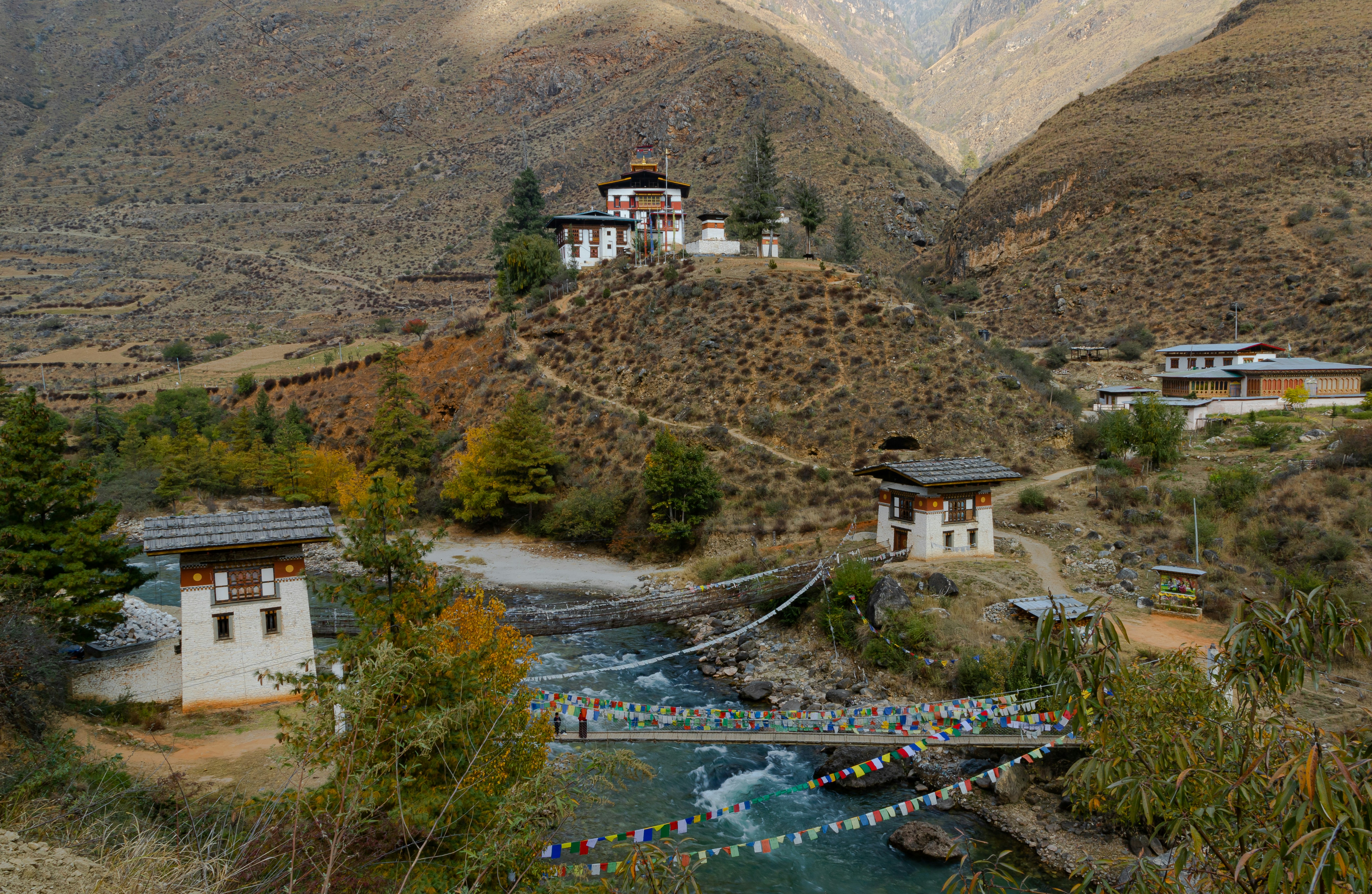
Punakha provides a lower-altitude contrast and room to slow down. The journey from Thimphu crosses Dochula Pass, where a stop can be rewarding in clear weather, but the transfer should still be treated as part of the day’s programme. Three nights allow Punakha Dzong, village walks and an unstructured lodge afternoon to remain separate pleasures.
Why finish in Paro?
Ending with three nights in Paro places the Taktsang walk later in the journey and keeps the final stay near the international airport. It also creates some flexibility to move the walk according to weather and energy. If the inbound journey is tiring, an initial Paro night may be preferable, with the remaining nights redistributed.
Adding Phobjikha or Bumthang is best approached by extending the trip rather than compressing every stay. Mountain roads make map distances a poor guide to effort. Another valley should bring a meaningful change of landscape or interest, not merely another check-in.
How do you choose between luxury lodges?
The right Bhutan lodge combines a suitable setting with practical access to the experiences you value. A remote hillside retreat and a property close to a town offer different advantages, even when both promise valley views.
Ask about steps, walking distances between rooms and restaurants, heating, vehicle access and the exact outlook of the proposed room category. These details matter particularly for guests with limited mobility. A beautiful location can still be inconvenient if each outing requires substantial additional driving.
Staying within one lodge collection may simplify coordination; combining properties can bring greater variation. In either case, establish whether the same guide and vehicle continue throughout, and obtain a written breakdown of meals, transfers, excursions and admissions. Spa treatments and traditional hot-stone baths should not be presumed included.
What does private access mean in Bhutan?
A private Bhutan journey offers dedicated attention and a flexible pace, not unrestricted entry to religious or administrative spaces. A licensed local guide should confirm applicable guiding requirements, site permissions and opening arrangements before visits are promised.
Monasteries and dzongs are working institutions. A conversation with a monk, attendance at prayers or access outside normal visiting arrangements depends on the institution’s permission and availability. Private planning cannot turn these encounters into guaranteed performances.
Dress with shoulders and knees covered at religious sites, and ask before photographing interiors. Often the most valuable access is interpretive: understanding what is happening, knowing when to step back and visiting without interrupting daily life.
How demanding is the Tiger’s Nest walk?
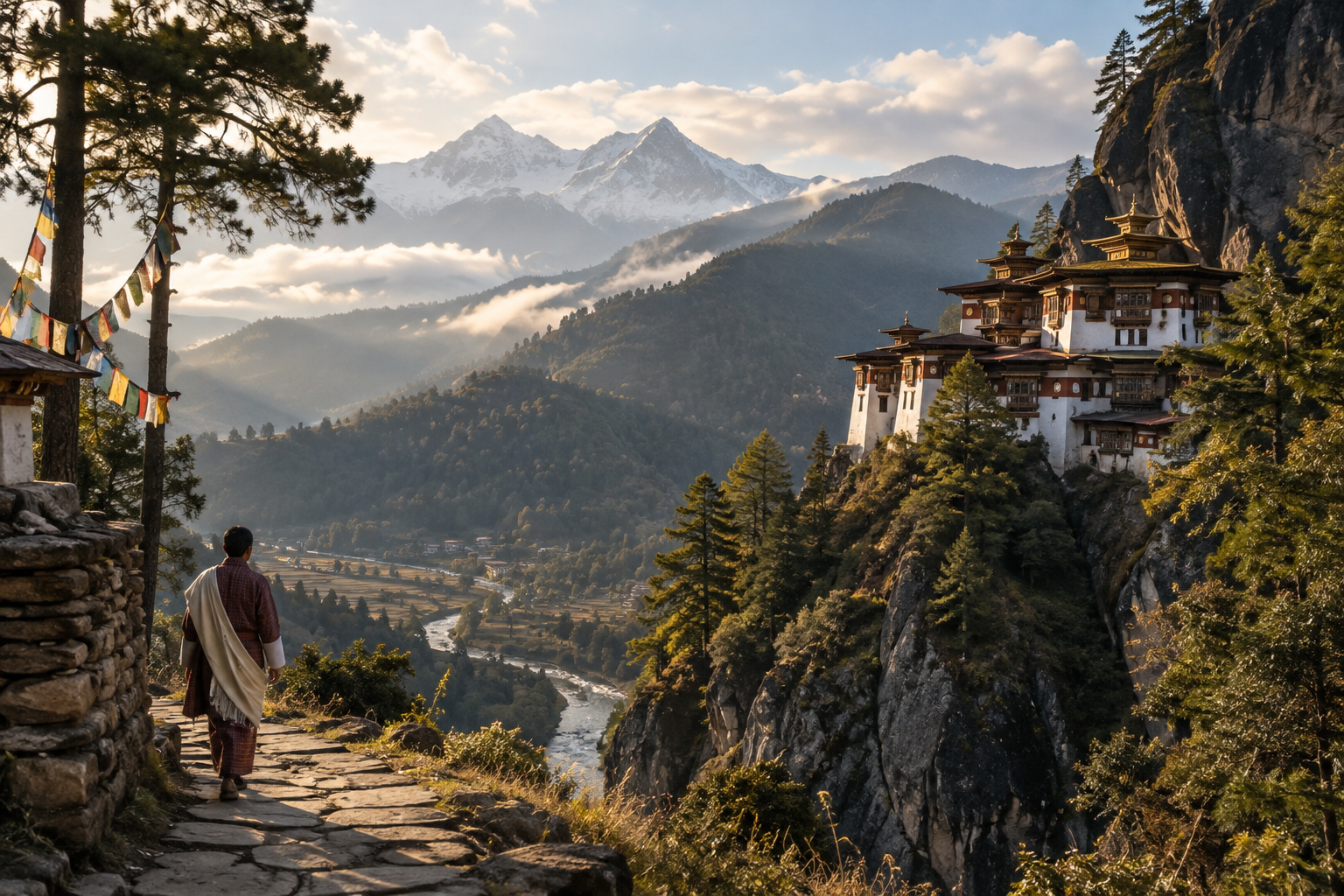
Paro Taktsang, commonly known as Tiger’s Nest, stands at approximately 3,100 metres, making altitude an important consideration alongside fitness. Allow generous time for the ascent, descent, steps and pauses rather than treating the visit as a short appointment.
Bring footwear with reliable grip, layers, water and sun protection. Being fit does not remove the possibility of altitude illness; seek medical advice before travel if your health warrants it. Check that insurance covers the planned walking altitude, medical care and evacuation where necessary.
Reaching the monastery is not a condition of a successful Bhutan journey. A shorter walk or a quiet day in the valley can be the better decision, particularly when travelling with different abilities and interests.
To shape these considerations into a personal route, explore Evorand’s Bhutan — The Last Himalayan Kingdom journey around your preferred season, lodge style and walking pace.
Frequently asked questions
- Do I have to join a group tour to visit Bhutan?
- No, joining a group tour is not compulsory; Bhutan can be visited on an individually arranged itinerary. Independent arrangements do not remove applicable guiding requirements or site-permission rules.
- Are credit cards widely accepted in Bhutan?
- Some hotels and businesses accept credit cards, but acceptance is not universal. Carry local cash for smaller purchases and confirm payment methods with accommodation providers before arrival.
- Can children visit Bhutan and stay in luxury lodges?
- Children can visit Bhutan, but room occupancy rules, minimum ages for activities and family facilities vary by property. Check these details individually and adapt walking plans to each child’s ability and response to altitude.
- Can I bring a drone to Bhutan?
- Drone use in Bhutan is subject to permissions and aviation rules; a tourist visa does not authorise recreational flights. Confirm both import and operating requirements with the relevant Bhutanese authorities before packing a drone.
- Can I bring prescription medication into Bhutan?
- Carry prescription medication in its original packaging with the prescription and, where appropriate, a doctor’s letter. Check Bhutan’s current import requirements in advance for medicines containing controlled substances.