Florence After Hours Museum Tours: A Private Art Itinerary
Evorand · 1 October 2026
A private guide, a quieter gallery and an exclusive opening are three different propositions. How to build a Florence art itinerary around scholarship, thoughtful timing and clearly confirmed permissions.
Florence after hours museum tours require specific venue approval; booking a private guide does not secure an exclusive opening or admission to closed rooms. The strongest private art itinerary starts with a curatorial focus, then aligns guide expertise, confirmed visiting hours and any separately authorised access.
Florence rewards selection rather than accumulation. A painting at the Uffizi, a sculpture at the Bargello and a portrait in a historic palazzo can form a coherent conversation about patronage, ambition or domestic life. The value lies in understanding why those encounters belong together, not simply in reaching more rooms.
What do Florence after hours museum tours actually include?
An after-hours arrangement includes only the spaces, services and degree of exclusivity confirmed by the venue. The phrase alone does not establish whether a museum is closed to everyone else.
Three distinctions matter. A private guided visit gives your party a dedicated guide during an agreed visit; a public evening opening extends admission to other ticket holders; an exclusive opening involves separate permission and a defined access arrangement.
A timed-entry ticket is different again: it assigns an admission slot, not ownership of the gallery. Security checks still apply, and access to one part of a building does not imply permission to enter another. Ask for the arrangement in plain language rather than relying on labels such as “VIP”.
How do you choose the right art guide?
The right guide combines relevant subject knowledge with the ability to shape a conversation around your interests. Broad familiarity with Florence is useful, but it is not the same as expertise in Renaissance sculpture or the history of collecting.
Ask a prospective guide which works they would connect and why. Someone proposing a visit about Medici patronage should explain how the selected objects illuminate that subject. A persuasive answer is more revealing than an ambitious list of museums.
Confirm language, professional credentials and the requirements for guiding at each venue. An art historian, a museum curator and a visitor guide hold different roles; a curator-led encounter should never be inferred from the description “expert guide”. If meeting a member of museum staff matters, request that separately.
Share your level of familiarity too. A first encounter with Renaissance painting needs different framing from a return visit focused on workshop attribution. The best brief also explains whether you prefer sustained discussion, quiet looking or a balance between the two.
Which collections belong in a private Florence itinerary?
The most coherent itinerary follows a subject across complementary collections rather than treating every major museum as compulsory. Choose the question first, then the places that help answer it.
For painting, the Uffizi offers a foundation for exploring Florentine patronage and changing approaches to representation. Botticelli’s Primavera and The Birth of Venus invite discussion of mythology and commissioning. Check the current display status of any essential work before making it the centre of the visit.
For sculpture, Michelangelo’s David at the Accademia and the Bargello’s collections offer distinct perspectives on the body, materials and civic identity. They need not be visited back-to-back. Separating them can leave more room to absorb what makes each encounter different.
What does a historic palazzo add?
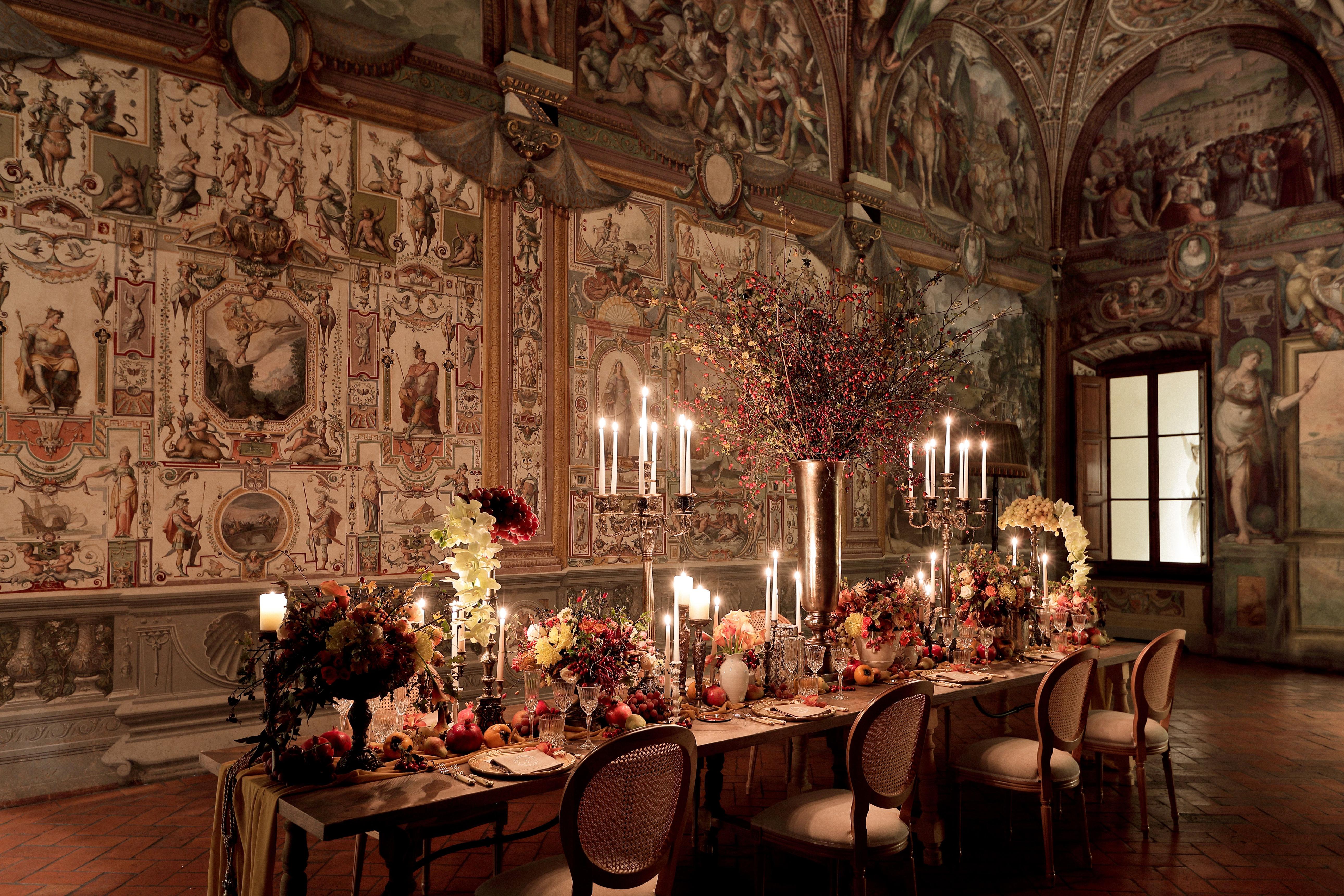
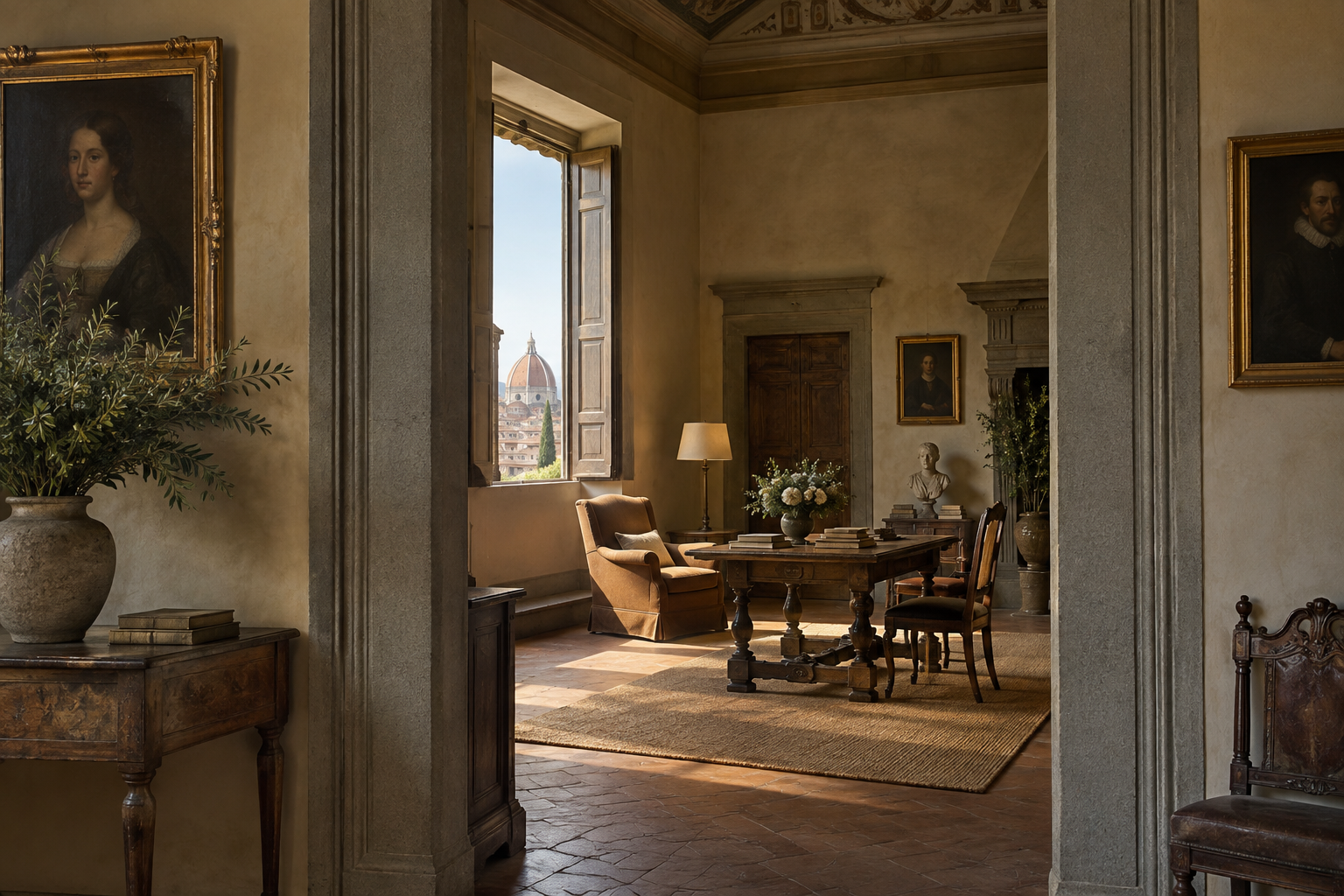
A historic palazzo can reveal relationships between art, architecture and family identity that are less apparent in a conventional gallery. A portrait’s placement within a reception room may be as interesting as its subject.
However, private ownership does not automatically mean appointment access is available. Confirm which rooms can be visited and who will accompany you. Meeting an owner or family member is a separate possibility, not an assumed inclusion.
When is the best time to visit Florence’s museums?
The best visiting time depends on the institution’s current calendar and your priorities, not on a universal promise of empty galleries. First admission and later slots can be worth considering, but neither guarantees quiet.
The Uffizi and Accademia normally close on Mondays, with exceptional openings and calendar changes requiring current verification. Do not assume another museum follows the same pattern. Check each venue before assigning visits to particular days.
Summer heat makes breaks and walking routes especially important. Spring and autumn are popular travel periods, while winter still brings holidays, exhibitions and schedule variations. Season alone is an unreliable measure of how a particular gallery will feel.
For an evening visit, distinguish last admission from closing time. Allow for gallery-clearing procedures, collecting belongings and reaching dinner without rushing. A generous daytime appointment can be more rewarding than a late slot that leaves too little time with the works you came to see.
How is access outside public hours approved?
Access outside public hours is confirmed only when the venue accepts the request and approves its conditions. A guide’s availability or an enquiry acknowledgement is not that approval.
A useful request identifies your date range, party size, preferred language, areas of interest and purpose of visit. The institution may need to assess staffing, security, conservation requirements and competing commitments. A private residence also depends on the owner’s schedule.
- Define the artistic focus and provide alternative dates where possible.
- Specify whether you want a dedicated guide, a non-public visit or exclusive use of particular spaces.
- Confirm the approved rooms, duration and accompanying personnel.
- Establish photography, identification, bag and accessibility requirements.
- Obtain written terms for changes, cancellation and any substitute arrangement.
There is no single booking window that applies to every museum or collection. Begin enquiries once your travel dates take shape, and keep a worthwhile public-hours alternative available. An itinerary should remain compelling even if the requested exceptional opening cannot be authorised.
How much should you plan in one day?
One substantial collection and one shorter, complementary encounter make a sensible starting point for a day devoted to art. This is a planning recommendation, not a venue rule.
You might spend the morning with selected Uffizi works, pause for an unhurried lunch, then visit a smaller collection if its availability is confirmed. Leave room to discuss what you have seen. A short architectural walk can connect the objects to Florence without adding another demanding museum visit.
Florence’s historic centre is walkable, but nearby addresses do not guarantee effortless transfers. Paving, stairs, security procedures and restricted vehicle access can affect the day. Where mobility is a consideration, confirm the usable entrance, lifts and resting opportunities at each property.
Before finalising the programme, identify your essential works and the subjects you would happily leave out. Deliberate omissions protect attention. The most memorable encounter is often the one you had time to stay with.
To explore this approach, consider Evorand’s Behind Closed Doors of the Renaissance, centred on Florence’s historic palazzi and family collections. Share your interests and travel window to begin shaping a programme around the permissions and availability of the relevant venues.
Frequently asked questions
- Can I take photographs during a private collection visit in Florence?
- Photography depends on the collection’s rules and the agreed visit conditions. Permission to enter does not automatically permit professional photography or publication, so establish your intended use in advance.
- Are private Florence art visits suitable for children?
- A guide can adapt the discussion around a smaller selection of works, shorter sessions and breaks. Confirm any age restrictions separately with private collections or venues offering special appointments.
- Does a Florence museum pass include private guiding or special openings?
- Do not assume that a museum pass covers a dedicated guide or admission outside public hours. Check its current inclusions and reservation requirements; exceptional access requires its own confirmation.
- What should I wear if an art itinerary includes churches?
- Choose clothing that covers shoulders and knees, and check the requirements of each religious site. Worship and services may limit sightseeing even when a church is otherwise open.
- Can a particular masterpiece be guaranteed to be on display?
- Works may be removed for conservation, lent to exhibitions or affected by gallery closures. If a specific painting or sculpture is essential to your trip, check its display status before booking and again close to the visit.