Galapagos Private Yacht Charter: Vessel, Route and Naturalist
Evorand · 2 October 2026
A private yacht makes Galápagos exploration personal, not unrestricted. How to assess the vessel, understand approved routes and choose the naturalist who will shape the experience.
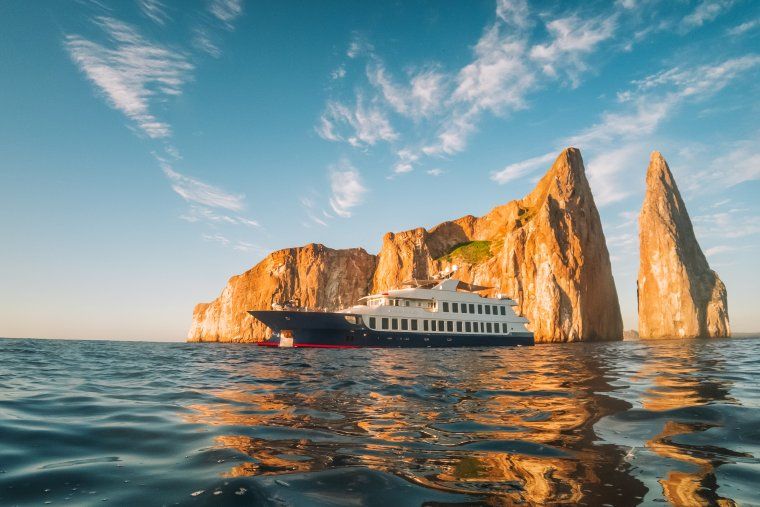
A Galapagos private yacht charter is best chosen by matching an authorised expedition vessel, its approved itinerary and a qualified naturalist to your party’s needs. Exclusive use gives you privacy aboard and more personal service, but it does not remove national park restrictions or guarantee exclusive landing sites.
Who is a Galapagos private yacht charter right for?
A private charter suits travellers who want to share an expedition with their own party rather than other passengers. The strongest reasons are family time, compatible interests and control over the atmosphere aboard, not unrestricted navigation.
Multigenerational families may value familiar company and coordinated meals; photographers may want interpretation that follows their interests. Galápagos remains an active nature journey, however, with shore visits and marine activities shaping the day.
Before choosing a yacht, agree on the purpose of the trip. A party seeking long wildlife walks needs a different balance from one prioritising gentle outings and unhurried afternoons.
What makes a yacht suitable for Galápagos?
A suitable Galápagos yacht combines valid operating authorisation with practical expedition facilities and a cabin arrangement that works for your party. Interior photographs reveal little about the repeated journey from cabin to deck, tender and shore.
Request a current deck plan and confirm bed configurations, stairs and cabin positions. Rooms described in the same category can differ in engine noise, outlook or ease of access.
- Check shaded outdoor seating and space for drying wet equipment.
- Ask about tender boarding, handrails and assistance at embarkation.
- Confirm wetsuit sizes, snorkelling equipment and appropriate children’s life jackets.
- Review first-aid provision, emergency communications and evacuation procedures.
- Request confirmation of current operating permissions and safety certification.
These details are particularly important when children or less mobile guests are travelling. An elegant yacht is not necessarily an accessible one.
Is a catamaran better than a monohull?
Neither hull type is universally better; comfort depends on vessel design, size, cabin location and sea conditions. Catamarans can offer generous shared spaces, but they should not be assumed to remain motionless.
For anyone prone to seasickness, ask about overnight passages and the position of proposed cabins. If stabilisers are listed, establish when they operate effectively rather than treating the word as a guarantee.
The itinerary matters as much as the vessel. Several longer crossings may be a poor match for a sensitive passenger, even when the yacht otherwise looks ideal; discuss preventative medication with a clinician before departure.
How much can a private itinerary change?
A private charter must follow the permissions and visitor-site arrangements governing its operation in Galápagos. Chartering the whole vessel does not create a right to land on any beach or enter closed areas.
Ask for named visitor sites, planned activities and passage information, not simply a list of islands. Visiting an island does not mean every trail or bay on that island is included.
Weather, sea conditions and conservation measures may require changes. Other authorised groups may also visit the same sites, so privacy aboard should not be confused with solitude ashore; any flexibility must remain within the approved operating framework.
Which islands should the route include?
The best route follows your wildlife interests and preferred pace rather than trying to collect the largest number of islands. More distant stops can mean longer passages and a more demanding schedule.
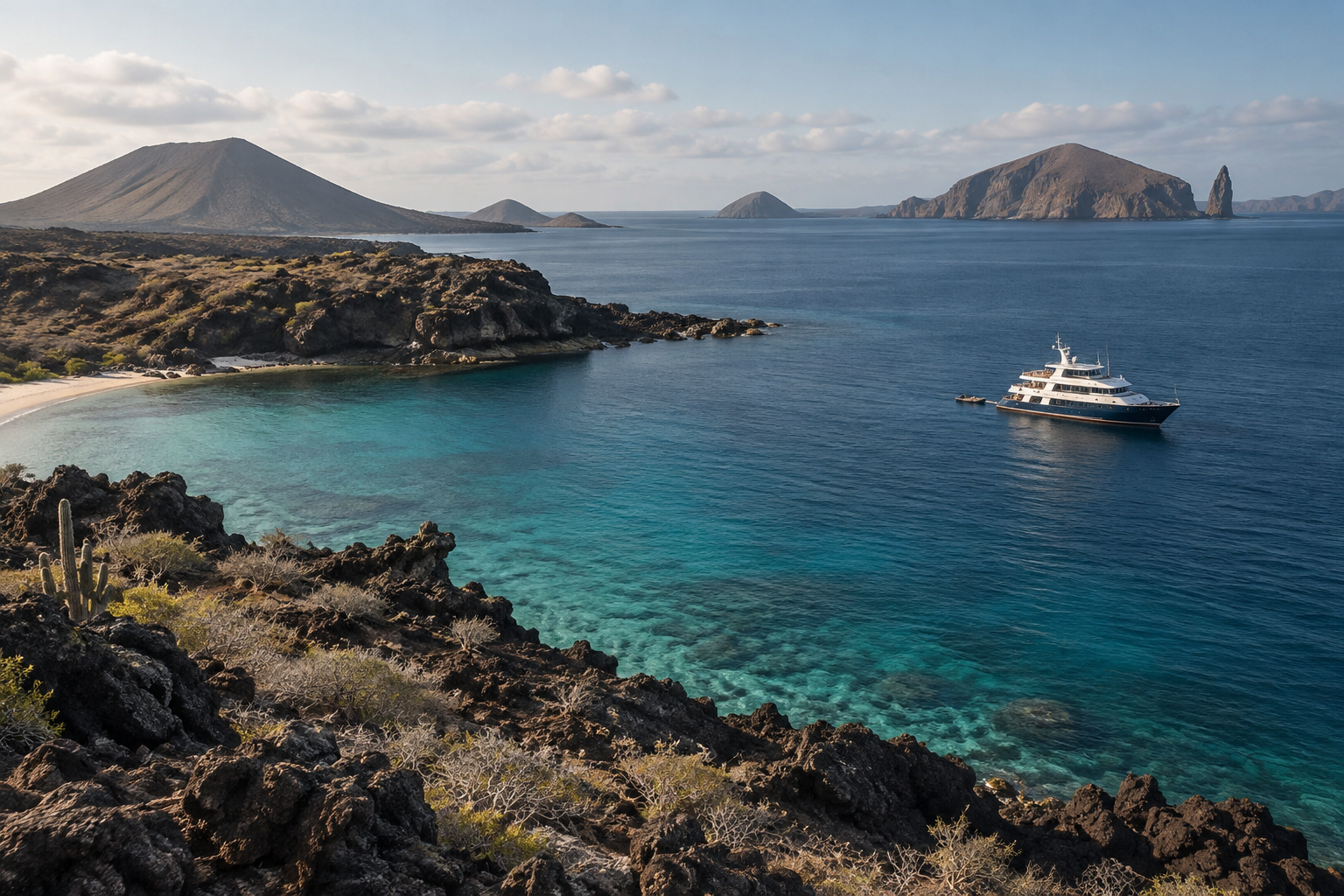
Western itineraries around Isabela and Fernandina are associated with volcanic landscapes and wildlife including flightless cormorants. Española is the principal breeding location of the waved albatross, but sightings depend on season as well as access to the relevant visitor site.
Genovesa rewards an interest in seabirds, while the Santa Cruz highlands offer opportunities to observe giant tortoises in their natural habitat. Treat these as priorities for comparing approved itineraries, not ingredients that can automatically be combined into one charter.
When is the best time to go?
Galápagos is a year-round destination, with the best timing determined by wildlife interests and tolerance for changing sea conditions. Broadly, December to May is warmer and wetter, while June to November is cooler and associated with the fine mist known as garúa.
Water temperatures can fall during the cooler period, and seas may be more unsettled. For keen snorkellers, suitable wetsuits and well-managed water entries matter more than the promise of permanently tropical conditions.
These are seasonal patterns, not forecasts: ocean conditions vary between years. If a particular species is central to the trip, check both its seasonal presence and whether the proposed itinerary includes the appropriate location.
How do you assess the naturalist?
A strong naturalist combines Galápagos National Park authorisation with the ability to interpret wildlife for your particular party. Identifying a bird is only the beginning; explaining its behaviour without disturbing it is what gives an encounter depth.
Ask about working language, experience with children and interests such as marine ecology or birdlife. Establish the naturalist’s role during water activities and whether any additional guides are included.
Guide allocation also affects how different abilities can be accommodated. A photographer wanting to linger and a guest needing a shorter outing cannot necessarily split into separate groups; staffing and park requirements must support that arrangement.
How demanding are landings and snorkelling?
The physical demands of Galápagos depend on landing conditions and terrain, not simply the length of a walk. Wet landings involve stepping from a tender into shallow water; dry landings may use a jetty or rocky shoreline.
Uneven lava, soft sand, steps and exposed sunshine can make a short outing tiring. Describe mobility limitations before selecting the vessel and route, since private use does not make every site accessible.
Snorkelling requires consideration of currents, water temperature and the ability to reboard the tender. Keep at least two metres from wildlife, never touch or feed animals, and follow the naturalist’s instructions when animals approach.
How should flights and arrival be arranged?
Scheduled air access to Galápagos is through mainland Ecuador, with arrivals at Baltra or San Cristóbal. Flights through Quito or Guayaquil must be coordinated with the yacht’s precise embarkation and disembarkation arrangements.
Depending on the programme, arrival at Baltra can involve overland and channel transfers rather than immediate yacht boarding. A mainland overnight before the island flight provides a useful buffer after an international journey.
Confirm current Transit Control Card procedures, biosecurity checks and national park entry requirements before travelling. Check baggage allowances and restrictions on food and organic material, and clean footwear to avoid carrying seeds or soil between environments.
What should a charter proposal specify?
A useful proposal should connect your party’s needs with a named vessel, an approved itinerary and clearly defined inclusions. Supply preferred dates, flexibility and desired duration alongside passenger numbers.
- Adults, children’s ages and required cabin-sharing arrangements.
- Swimming ability, mobility needs, seasickness concerns and dietary requirements.
- Wildlife priorities, photography interests and preferred guiding language.
- Budget parameters, mainland plans and international flight arrangements.
Ask for separate confirmation of domestic flights, park fees, the transit card, transfers, equipment and gratuities. Review cancellation terms, itinerary-change provisions and insurance covering medical evacuation from remote locations before committing.
To plan a Galápagos Islands journey with Evorand, share your party profile and preferred dates. These details provide the starting point for requesting a private charter proposal shaped around the vessel, permitted route and naturalist experience that suit you.
Frequently asked questions
- Can I bring my own yacht to Galápagos?
- Visiting Galápagos aboard your own yacht involves vessel-entry and operating requirements separate from ordinary passenger arrival. Entry clearance should not be treated as permission to visit protected sites; confirm current requirements with the relevant Ecuadorian authorities and an authorised local agent.
- Does a private Galápagos charter include scuba diving?
- A naturalist-led yacht itinerary does not automatically include scuba diving. Diving requires an appropriately authorised and equipped operation, permitted sites and conditions suited to participants’ qualifications and experience.
- Can visitors use drones in Galápagos National Park?
- Drone use is not freely permitted as a routine visitor activity in Galápagos National Park. Any specific authorisation must be established beforehand, and chartering a private yacht does not grant filming permission.
- Will there be reliable internet aboard the yacht?
- Connectivity depends on the yacht’s equipment, service plan and location. Confirm access, charges and limitations for the specific vessel, and do not assume that a connection will support uninterrupted video calls.
- Is there a minimum age for a private Galápagos charter?
- Minimum ages and child-related conditions vary by operator and vessel. Confirm acceptance of your children’s ages, suitable safety equipment and any restrictions on shore or water activities before booking.