Geneva Watchmaking Workshop Experiences: Observe or Take the Bench?
Evorand · 30 October 2026
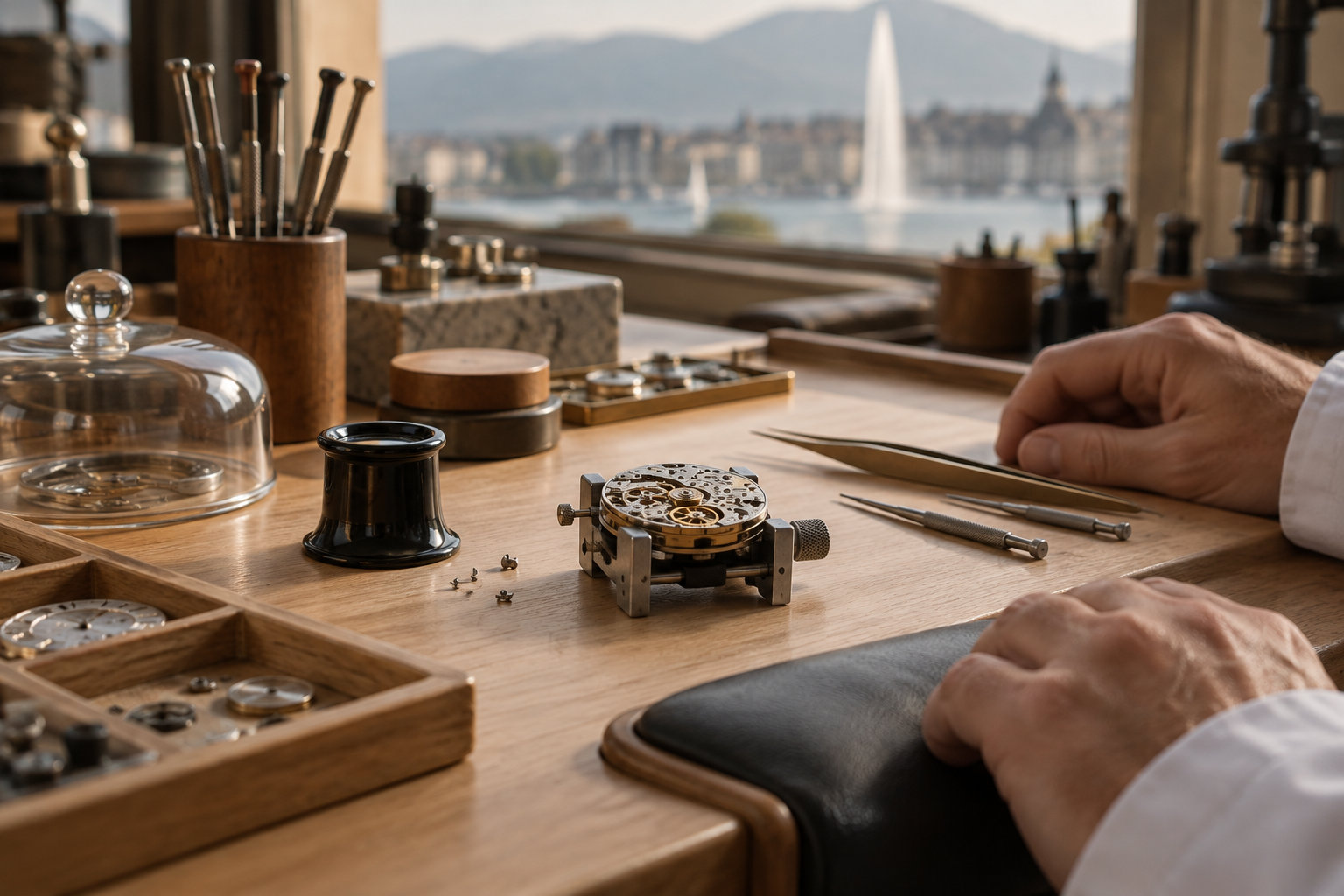
A manufacture visit, a practical workshop and a collector appointment offer three different ways into watchmaking. Here is how to choose the Geneva experience that matches your curiosity.
Geneva watchmaking workshop experiences fall into three distinct categories: manufacture visits for observing production, hands-on workshops for learning at a bench, and collector appointments for discussing watches in depth. Choose according to what you want to understand; none automatically includes access to a brand’s restricted production facilities.
The distinction matters more than the prestige of the name on the invitation. Watching a specialist finish a component can be absorbing, but it will not satisfy someone expecting to assemble a movement. Equally, an excellent collector conversation may involve no tools at all.
Which Geneva watchmaking workshop experiences suit you?
The right format depends on whether your priority is observation, practical participation or informed discussion.
A manufacture visit explores the processes a watchmaker permits visitors to see. A practical workshop places selected tasks in your hands under supervision. A collector appointment centres on particular watches, technical questions, collecting interests or potential acquisitions.
Ask for that distinction before discussing the itinerary. “Private watchmaking experience” is not a precise description: private might mean an appointment for your party rather than access to a working manufacture. The host, address, participant numbers and confirmed activities reveal considerably more than the label.
What can you actually see on a manufacture visit?
A manufacture visit shows only the departments and processes approved by the host.
Depending on the programme, those might include assembly, decorative finishing or quality control. Do not assume that machining, complications, restoration and testing will all appear on the same route. Watch production can also be distributed between different sites.
The most rewarding moments are often specific rather than spectacular. If finishing is demonstrated, ask what the operation changes: appearance, surface quality or the behaviour of a component. Understanding the purpose of a polished bevel gives you something more enduring than a photograph through glass.
Does the Patek Philippe Museum include factory access?
No. The Patek Philippe Museum in Geneva’s Plainpalais district provides historical context through its collections; visiting the museum does not confer access to Patek Philippe’s production facilities. Museum admission, boutique appointments, brand events and manufacture visits are separate arrangements.
Do you need experience for a hands-on workshop?
A beginner-level workshop does not require professional watchmaking knowledge, but its tasks must match your experience.
Depending on the course, instruction may cover handling a loupe and screwdriver, identifying movement components or completing limited disassembly and reassembly on a training movement. Ask which actions you will perform yourself. A demonstration with occasional participation is different from a session built around individual bench work.
Expect concentration rather than instant fluency. Seating a screwdriver correctly and controlling a tiny component can demand more attention than anticipated. A modest task explained properly often teaches more than a hurried encounter with an impressive complication.
Do not assume the instructor will open your own watch. Working on a personal timepiece raises servicing, warranty and liability questions that training equipment avoids. Likewise, taking home a completed watch or component is an inclusion to verify, not an automatic feature of a workshop.
When is a collector appointment the better choice?
A collector appointment is most useful when your questions concern specific watches, references or the direction of a collection.
Share your interests beforehand: calendar mechanisms, case proportions, historical design changes or different approaches to finishing. If you want to compare particular references, request confirmation that examples will be available. An appointment does not establish stock availability.
For vintage watches, useful questions include service history, replacement components, dial condition and supporting documentation. Distinguish an educational conversation from a formal condition report or authentication service. Where purchasing is involved, clarify whether the host is acting as a seller, adviser or auction specialist.
A collector meeting also does not guarantee allocation of a scarce watch. Sales decisions and allocations remain subject to the relevant brand’s or seller’s policies. The strongest outcome may be a better-defined collecting direction rather than an acquisition.
When should you travel, and how should the days work?
Build a watch-focused Geneva trip around the confirmed availability of its principal appointment.
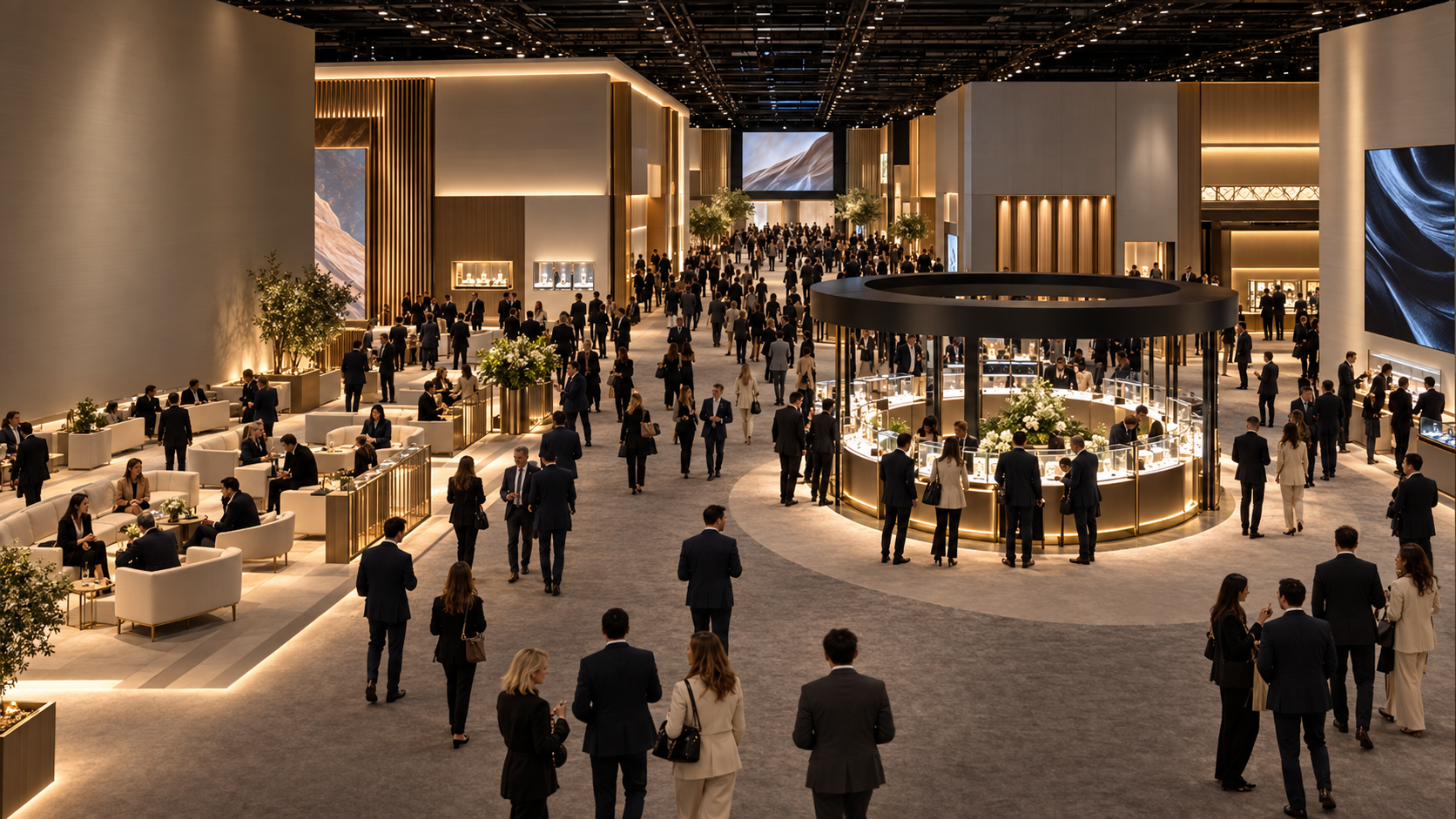
Watches and Wonders Geneva brings a concentrated watchmaking programme to the city. Check the relevant edition’s announced dates, public admission days and ticket conditions before making plans. Exhibition admission does not include unrelated brand appointments or manufacture access.
The event period suits visitors interested in launches and the wider industry conversation. Someone seeking an unhurried practical session may prefer another period, subject to the workshop’s calendar. Summer and year-end closures should also be checked directly rather than inferred from general opening hours.
Use exact addresses when planning transfers. A central Geneva boutique and a production facility elsewhere in the canton should not be treated as neighbouring appointments. A visit to another watchmaking region, such as the Vallée de Joux, requires a separate travel plan rather than a casual addition between city meetings.
What is a sensible sequence for a first visit?
Consider beginning with museum context, moving to practical instruction, and scheduling a collector conversation afterwards. This is a suggested learning sequence, not a fixed package. Leave space between appointments to record questions and absorb what you have seen.
How does a request for private access work?
Private access requires the relevant host’s approval and a clearly agreed scope.
Begin with a precise interest rather than a request for “the most exclusive” option. Explaining that you want to understand traditional finishing or the transmission of energy through a mechanical movement gives the host something useful to assess. An enquiry remains provisional until acceptance and arrangements are confirmed.
- Purpose: Specify observation, practical learning, historical context or collector discussion.
- Experience: Describe previous workshops and the subjects you already understand.
- Participants: Give party size, language preferences and accessibility requirements.
- Scope: Confirm duration, individual bench time, equipment and permitted activities.
- Conditions: Request written details of inclusions, cancellation terms, photography rules and any take-home materials.
If interpretation is needed, raise it early. Technical instruction requires accurate terminology, and the host may need to approve an interpreter’s presence. Ask whether photography and note-taking are permitted rather than assuming a private appointment removes restrictions.
Where could this interest lead next?
The best continuation follows the aspect of craftsmanship or collecting that held your attention.
These six Evorand subjects offer relevant directions for a further enquiry. Their individual scope and availability require confirmation; the titles should not be read as promises of unrestricted brand or production access.
- Haute Horlogerie: The closest starting point for an interest in fine watchmaking and specialist craft.
- Patek Philippe: A focused direction for exploring a house shaped by Geneva’s watchmaking heritage.
- A Private Evening in the World of Rolex: A separate Rolex-focused subject to discuss.
- Watches and Wonders Geneva: A route towards the contemporary watchmaking calendar.
- Christie’s Jewels & Collectibles: A continuation into collecting and the auction world.
- Haute Joaillerie — The Secret World of High Jewellery: A related interest in materials and hand craftsmanship, centred on Paris.
To plan Geneva with Evorand, share the watches that interest you, your experience and whether you would rather observe or take the bench. Let the enquiry begin with what you want to learn, then establish which arrangements are possible.
Frequently asked questions
- Can children join a watchmaking workshop in Geneva?
- Minimum ages and supervision requirements vary by provider. Because practical sessions can involve tiny components and precision tools, confirm suitability for each child before booking.
- What should I wear to a hands-on watchmaking session?
- Choose clothing that allows comfortable seated work and unrestricted hand movement, avoiding loose sleeves or accessories that could catch on the bench. Follow any additional protective-clothing instructions from the host.
- Will a short workshop teach me to service my own watch?
- An introductory workshop does not provide professional servicing competence. Maintenance of a personal mechanical watch should follow the manufacturer’s guidance and the advice of a qualified watchmaker.
- Can a non-enthusiast companion attend without doing the practical work?
- Observer attendance depends on the host’s space, teaching format and booking conditions. Ask explicitly whether a companion can observe and whether a separate reservation is required.
- What should international visitors check before taking a purchased watch home?
- Swiss tax-refund procedures and customs obligations in your destination country are separate matters. Check current official allowances and declaration requirements, and retain the purchase invoice and supporting paperwork.