Kennedy Space Center VIP Tours: What to Ask Before You Plan
Evorand · 22 October 2026
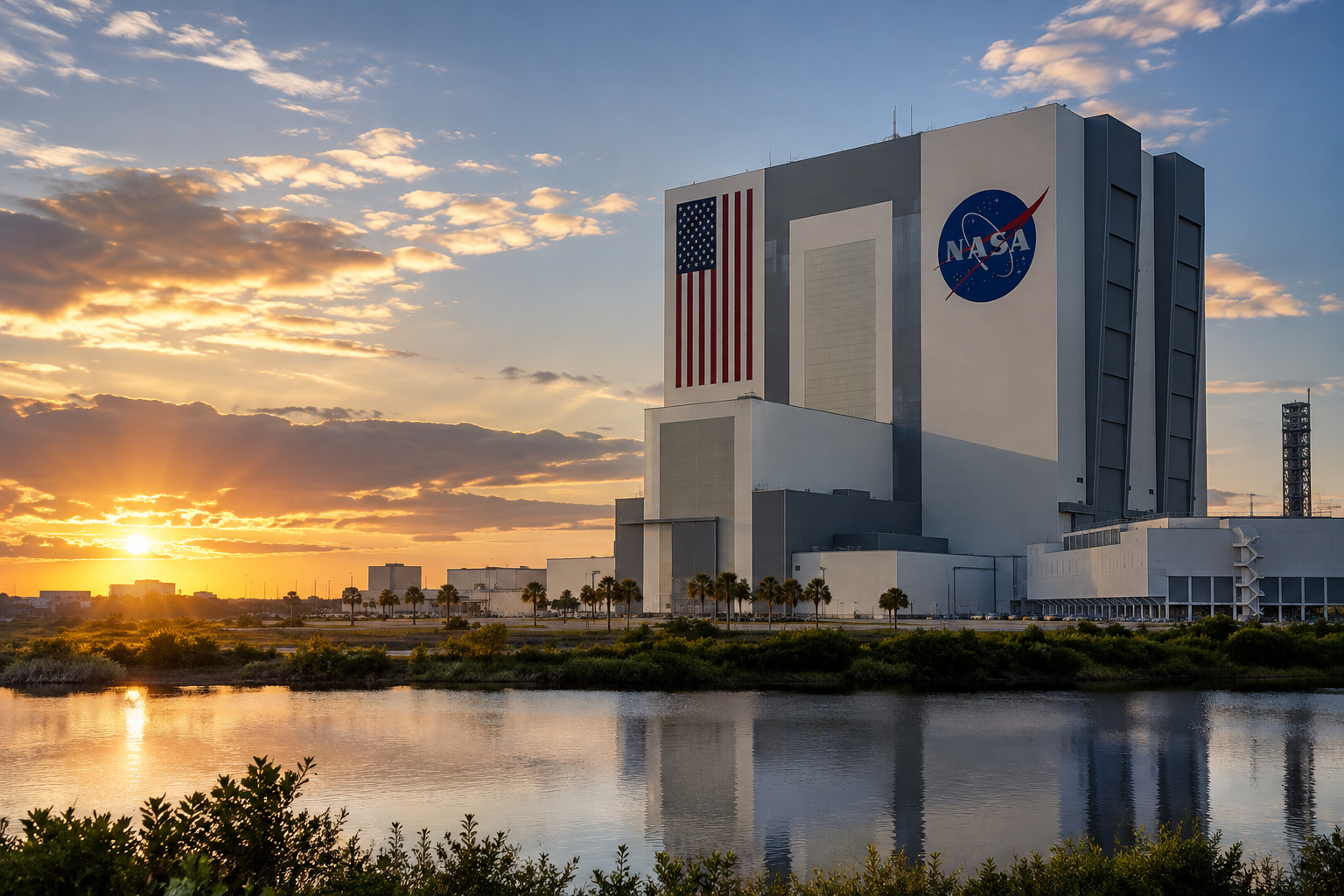
A rewarding day at Kennedy begins with knowing what your booking actually includes. Separate the essential visitor experience from specialist guiding, restricted access and the uncertainties of launch day.
Kennedy Space Center VIP tours should be judged by their confirmed itinerary, guiding and access permissions, not by the VIP label. Standard admission provides a substantial first visit; specialist programmes may add interpretation or particular stops, while launch viewing remains dependent on operational conditions.
What do Kennedy Space Center VIP tours actually include?
A VIP description does not, by itself, establish private guiding, restricted-area entry or an astronaut encounter.
Start by separating three things: admission to Kennedy Space Center Visitor Complex, additional visitor programmes, and any specifically authorised access. These may be combined in a proposal, but they are not interchangeable. A privately guided day can take place entirely within publicly accessible attractions and still be valuable.
Ask for the programme’s official name, who operates each element, and whether your guide is exclusive to your party. “Behind the scenes” should be translated into named stops and explicit permissions, rather than interpreted as entry to working launch facilities.
Is standard admission enough for a first visit?
Standard admission is a strong foundation for a first visit, particularly when the priority is seeing the major spacecraft exhibits at an unhurried pace.
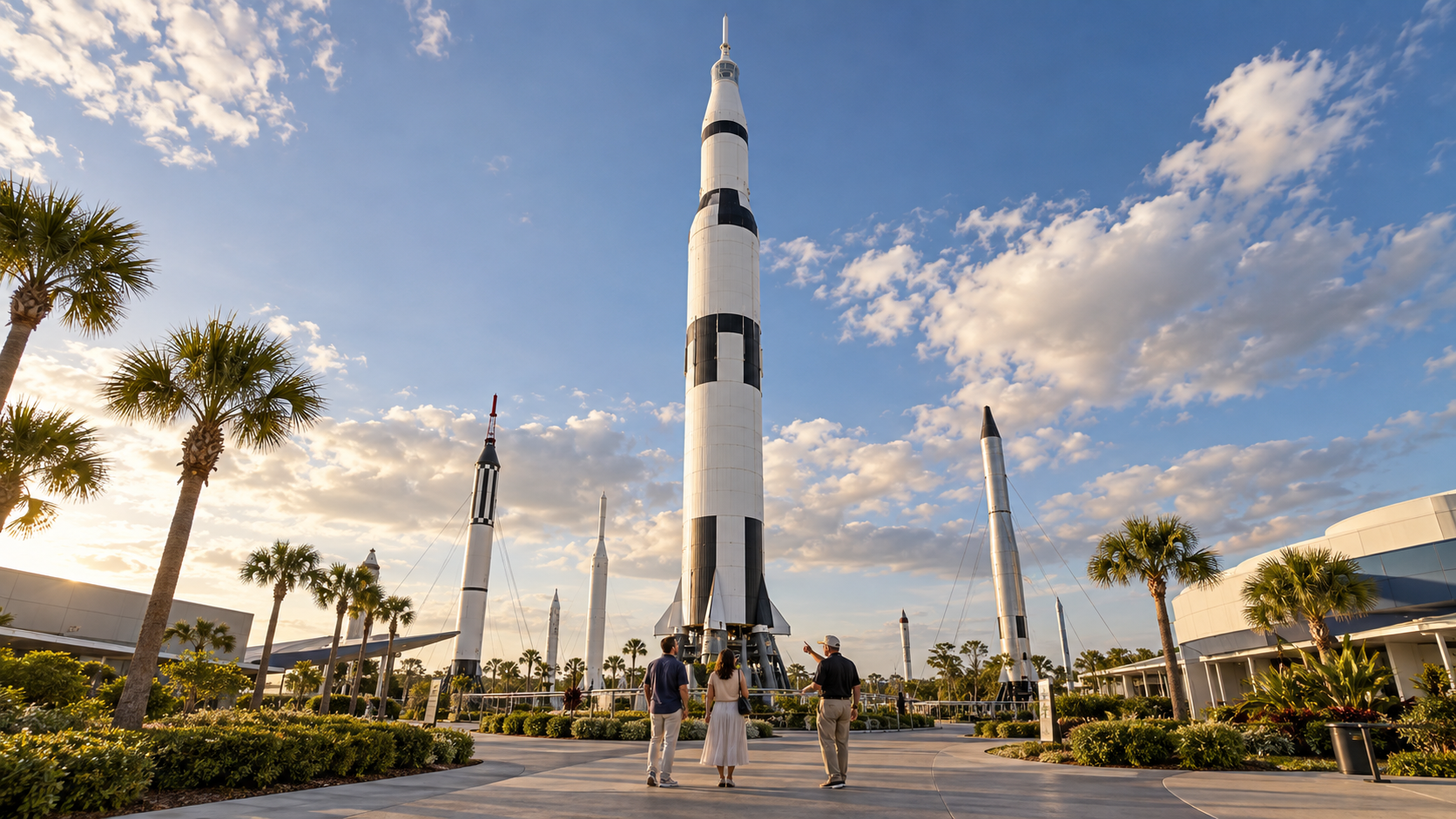
Space Shuttle Atlantis presents the flown orbiter, while the Apollo/Saturn V Center puts the scale of the lunar programme into perspective. Rocket Garden provides another useful introduction to American spaceflight. Under normal operating arrangements, the included bus tour provides access to the Apollo/Saturn V Center.
Check current admission inclusions, operating notices and bus departure times before travelling. The visitor complex is not an unrestricted entrance to the entire working Kennedy Space Center, and visitors cannot simply drive their own cars to every attraction.
Allow a full day as a planning baseline. Enthusiasts may prefer two days, depending on available ticket options and additional programmes. More time can be more useful than more inclusions.
When is specialist guiding worth choosing?
Specialist guiding is most worthwhile when informed interpretation and time for questions matter more than moving independently between exhibits.
A teenager interested in propulsion may want a different conversation from an adult drawn to Apollo history. Share those interests before booking and ask what relevant expertise the proposed guide brings. Do not assume that a guide is a NASA employee, engineer or astronaut unless that qualification is confirmed.
Distinguish an exclusive guide from a small-group departure. Also establish whether an enhanced bus itinerary adds stops, commentary or both, and whether buildings are viewed externally or entered. Private transport to the visitor complex does not automatically extend to transport within controlled areas.
Does an astronaut meeting come with the tour?
An astronaut encounter should be treated as a separately specified programme element. Confirm the format, duration, group setting and any substitution conditions rather than inferring a private conversation from a photograph or promotional phrase.
What should be confirmed before payment?
A useful written proposal separates confirmed inclusions, conditional elements and the arrangements that apply if operations change.
Request an itinerary detailed enough to reveal how the day works, including where you meet and when guiding ends. Total excursion time may include transfers, meals and independent exploration rather than continuous guided access.
- Admission: Are visitor complex tickets and additional programme reservations included?
- Party size: Which elements are private, and which are shared?
- Access: What are the named stops, and which depend on operational approval?
- Transport: Where does private transport end and visitor bus transport begin?
- Practical needs: What language, mobility and participation requirements apply?
- Changes: What happens if a programme is cancelled or a scheduled stop becomes unavailable?
These answers provide a better comparison than package names. A clearly defined public-area visit may suit your family better than a longer itinerary built around uncertain additions.
Can a launch be guaranteed?
No visitor package can guarantee that a rocket will launch at its scheduled time.
Weather, technical readiness and range safety can interrupt a countdown or move an attempt to another day. A launch window is the period during which liftoff may occur, not a promise that it will happen. Some missions have very narrow windows.
Launch viewing also requires its own checks. General admission does not necessarily include every viewing location or special launch package. Confirm the designated site, transport arrangements, arrival instructions and what happens to the booking after a postponement.
The closest available viewpoint is not automatically the best choice for every family. Shade, seating, waiting time and the journey back can matter as much as distance. Sightlines and available locations depend on the mission and safety arrangements.
If witnessing a launch is the main objective, leave flexibility in the wider itinerary without treating extra days as insurance against disappointment. Preserve a worthwhile museum day regardless of the countdown.
How should families plan the day?
The best family itinerary matches the children’s interests and stamina rather than attempting every available attraction.
Choose two main priorities and leave room between them. Atlantis and the Apollo/Saturn V Center make a coherent starting point, but a younger child may prefer shorter exhibit visits and more breaks. An older enthusiast may value sustained discussion with a knowledgeable guide.
Check individual simulators and participatory experiences for height, age and health restrictions. Ask about loud presentations, prolonged standing and bus journeys where these could affect comfort. Schedule lunch and indoor downtime before the day becomes tiring.
Preparation need not become homework. Looking at a shuttle photograph or discussing why the Moon missions needed such a large rocket can give children a question to pursue when they arrive.
Where should you stay, and when should you visit?
Orlando works for a day trip, while a Space Coast base can reduce travel demands when Kennedy is the main focus.
Calculate road transfers from your actual accommodation rather than relying on a generic Orlando journey time. Traffic and launch-day arrangements can change the practical schedule. Avoid tying a launch attempt to a tight airport departure or an inflexible evening reservation.
Florida summers are hot and humid, with afternoon thunderstorms possible. The Atlantic hurricane season runs from June through November; that is a planning consideration, not a forecast for any particular visit. Follow local weather and visitor complex notices as departure approaches.
Comfortable footwear, sun protection and a light indoor layer are sensible. Check current security and bag rules, and agree on the return meeting point with your driver before entering.
What should you ask Evorand about its NASA offering?
The current scope and availability of Evorand’s NASA — Behind the Scenes of Space Exploration offering should be confirmed against your dates and interests.
Share your preferred travel window, party size, children’s ages and the subjects that matter most. Request a clear distinction between guiding, additional programmes, authorised access and any launch-viewing arrangements. The offering’s title alone should not be read as confirmation of a particular facility visit.
Which related experiences might also appeal?
For travellers whose interests extend from spaceflight to engineering and exploration, these six Evorand offerings provide possible starting points, with each scope assessed separately:
- NASA — Behind the Scenes of Space Exploration: The direct starting point for Kennedy.
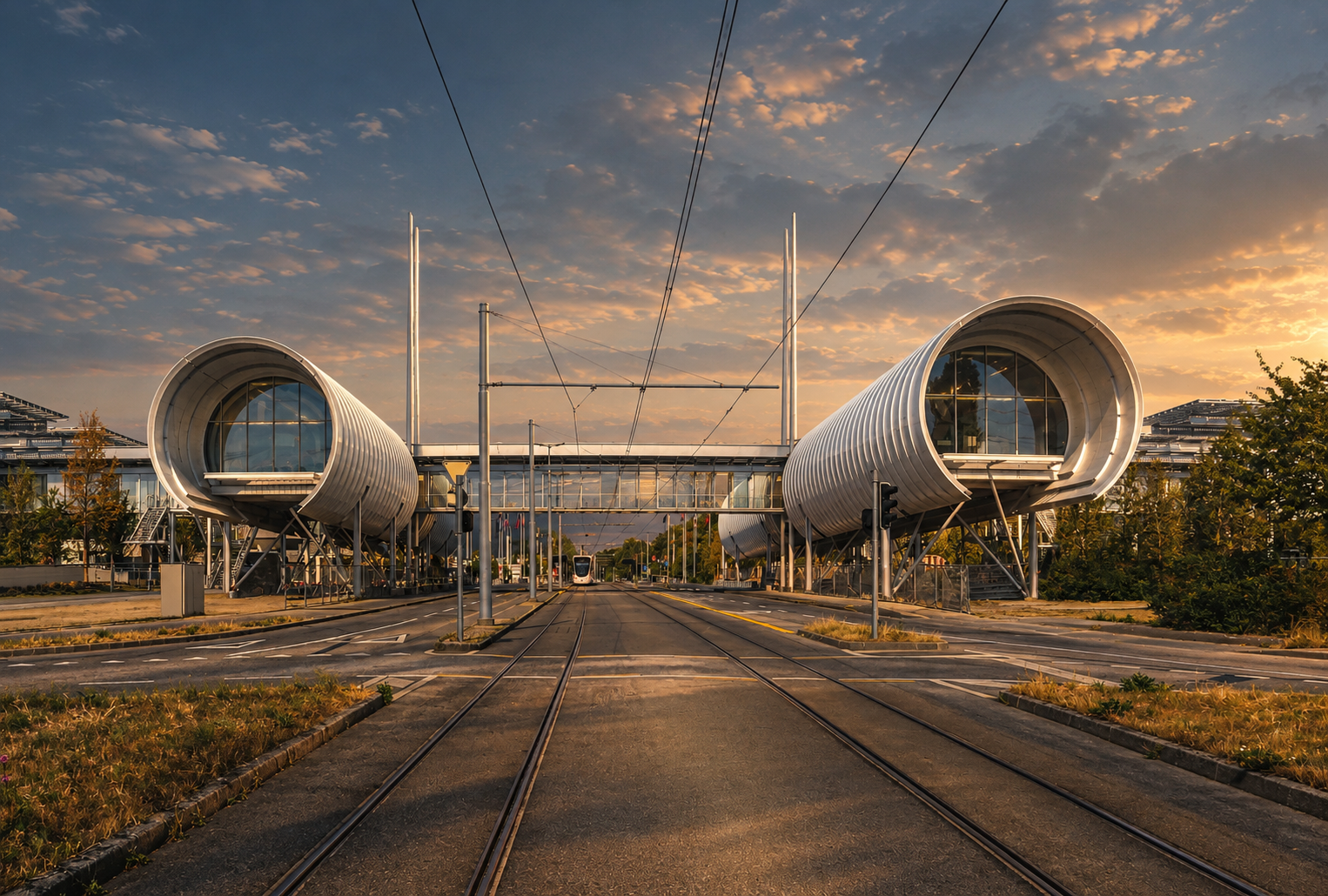
- CERN — Behind the Frontiers of Science: Fundamental science near Geneva.
- Dubai Airshow: Aviation and the aerospace industry.
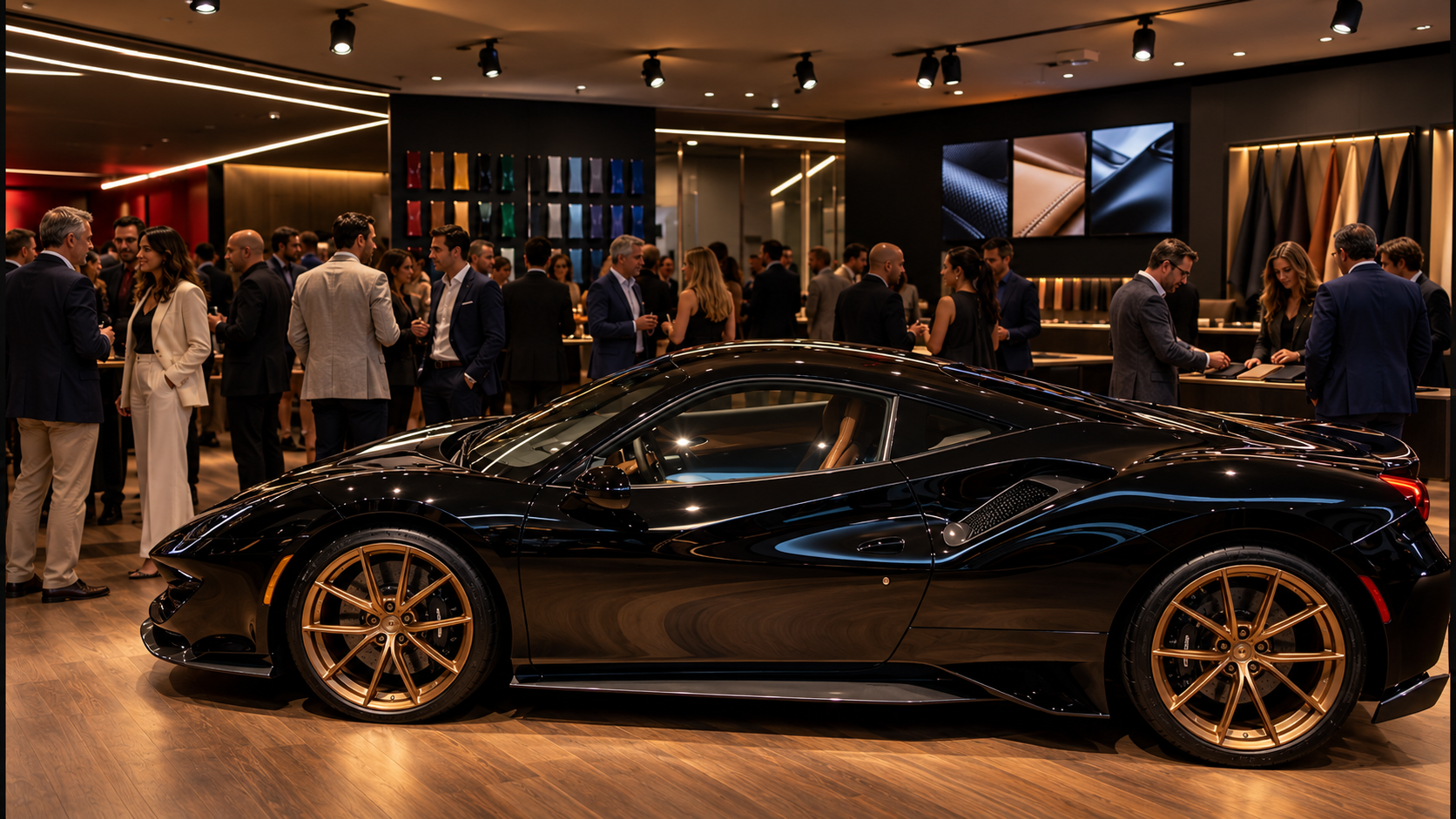
- Ferrari: Automotive engineering in Maranello.
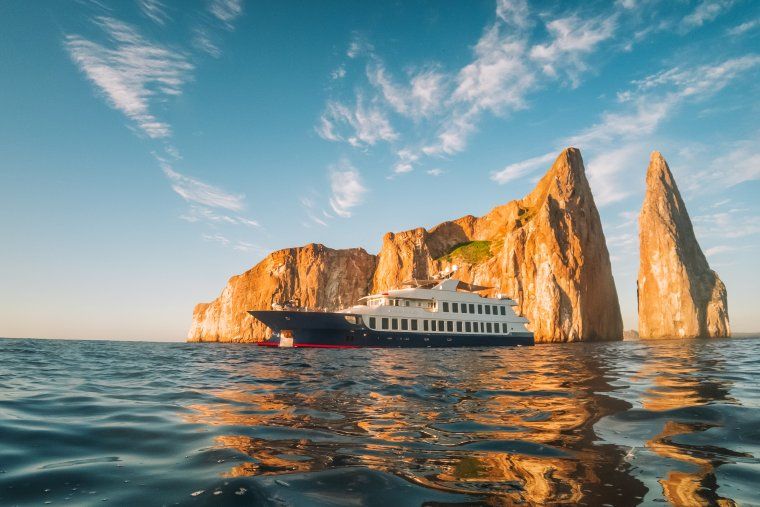
- Galápagos Islands: Natural history and close observation.
- Journey to Antarctica: Exploration in a polar setting.
To plan Kennedy with Evorand, share your dates and what you hope to understand or experience. Begin with a conversation about scope and availability, then build the journey around what can be confirmed.
Frequently asked questions
- Is Kennedy Space Center the same as Space Center Houston?
- No. Kennedy Space Center is in Florida, while Space Center Houston is the visitor centre for NASA Johnson Space Center in Texas. They are separate destinations with different exhibits and programmes.
- Can international visitors enter Kennedy Space Center?
- Kennedy Space Center Visitor Complex welcomes international visitors. Any separately authorised programme may have its own identification or citizenship requirements, which should be checked independently of standard admission.
- Is Kennedy Space Center accessible for wheelchair users?
- The visitor complex provides accessibility arrangements, but individual attractions, buses and additional programmes can have specific boarding or participation requirements. Share mobility needs and equipment details before selecting a guided itinerary.
- Can visitors take photographs at Kennedy Space Center?
- Personal photography is generally permitted in visitor areas, subject to posted restrictions and staff instructions. Any specially authorised access may carry different rules, so confirm photography permissions for that programme.
- Are Kennedy Space Center and Cape Canaveral the same facility?
- No. NASA’s Kennedy Space Center and the neighbouring Cape Canaveral Space Force Station are distinct facilities on Florida’s Space Coast. The launch site and pad affect which visitor viewing arrangements may be available.