Louvre Private Evening Tour: What to Focus On
Evorand · 16 October 2026
A rewarding evening at the Louvre begins with a point of view, not a checklist. How to choose your galleries, pace the visit and understand what private access actually means.
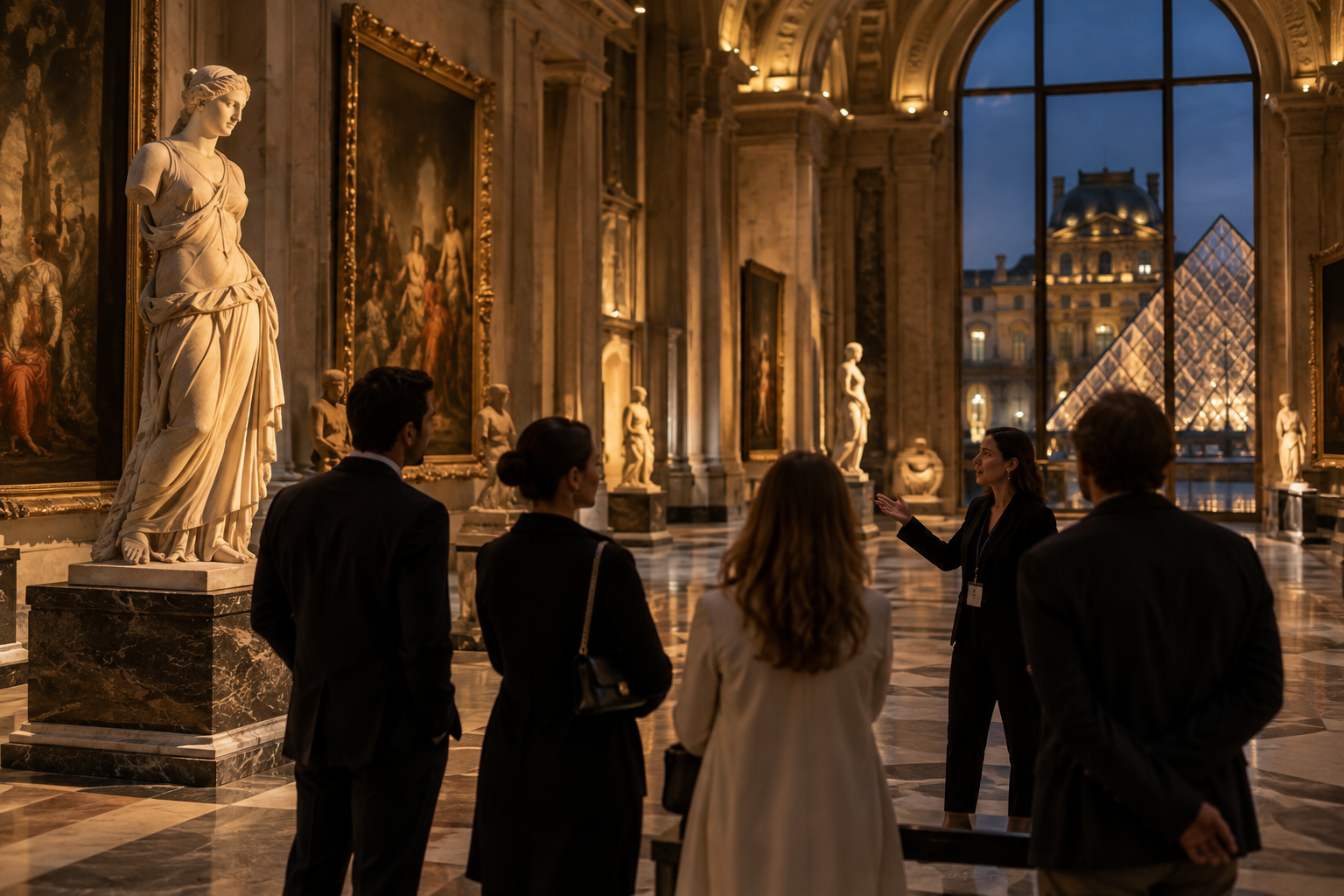
A Louvre private evening tour works best when it follows one artistic interest rather than attempting a complete museum overview. Private guiding means a guide dedicated to your party; exclusive opening or access outside public hours must be separately confirmed.
The useful starting question is not how much of the Louvre you can cover, but what you would like to understand more clearly. Renaissance portraiture, the politics of French painting or the craftsmanship of palace interiors can each sustain an evening. A coherent selection gives the visit a shape that a succession of famous objects rarely achieves.
How should you shape a Louvre private evening tour?
Choose a principal theme, identify your essential works and let the route follow those priorities.
A first visit might include a familiar masterpiece as an introduction to a broader subject. A returning visitor may gain more from one collection explored closely. Tell your guide what interests you outside museums, too: architecture, literature, collecting and design can all suggest productive ways into the Louvre.
Your briefing should establish both intellectual interests and practical limits. Rather than requesting “the highlights,” explain whether you enjoy historical context, close visual analysis or conversation prompted by a few objects.
- Artistic focus: Painting, sculpture, antiquities, decorative arts or the palace itself.
- Essential works: Distinguish genuine priorities from optional stops.
- Previous visits: Note collections you know and subjects you want to revisit.
- Pace and mobility: Mention stairs, standing tolerance and rest requirements.
- Language and expertise: Confirm your preferred language and the guide’s relevant specialism.
Which galleries should you choose?
One principal collection, supported by a carefully chosen comparison, usually makes a stronger evening than a route through all three wings.
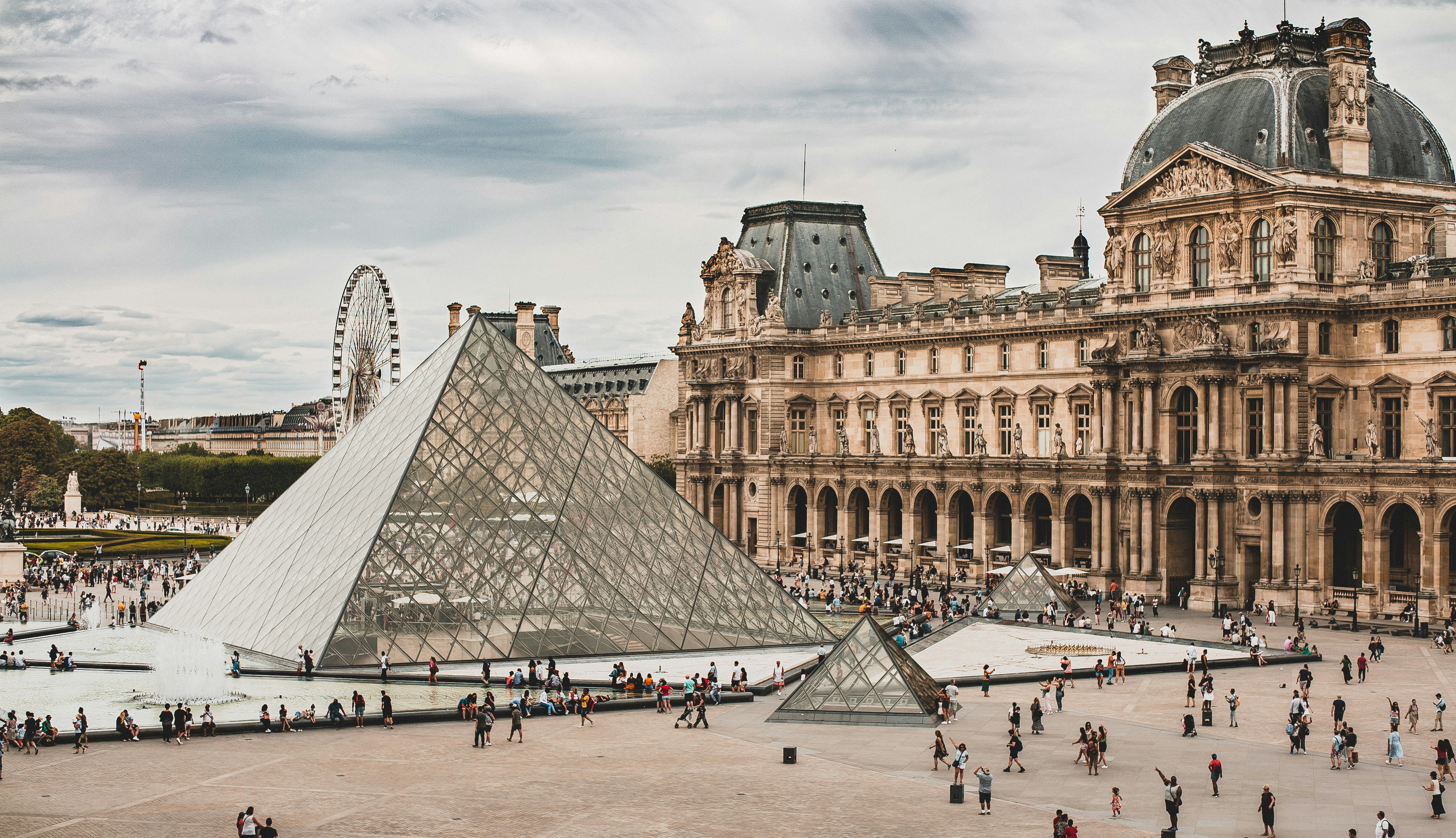
The Louvre’s Denon, Sully and Richelieu wings involve changes of level and substantial circulation. Two works that appear close on a map may not connect conveniently. Gallery availability should therefore influence the sequence as well as the selection.
Interested in Renaissance painting?
Italian painting in the Denon wing offers a clear framework for discussing perspective, portraiture and patronage. Leonardo da Vinci’s Mona Lisa becomes more rewarding when considered within that wider tradition, rather than treated as an isolated destination. Ask your guide to draw attention to the relationship between hands, expression and landscape.
Visitor arrangements around the Mona Lisa may not suit an extended conversation. Establishing the context beforehand allows you to spend the encounter looking, then discuss what you noticed elsewhere. Seeing a celebrated work and studying it at leisure are not always the same experience.
Would French painting or ancient sculpture suit you better?
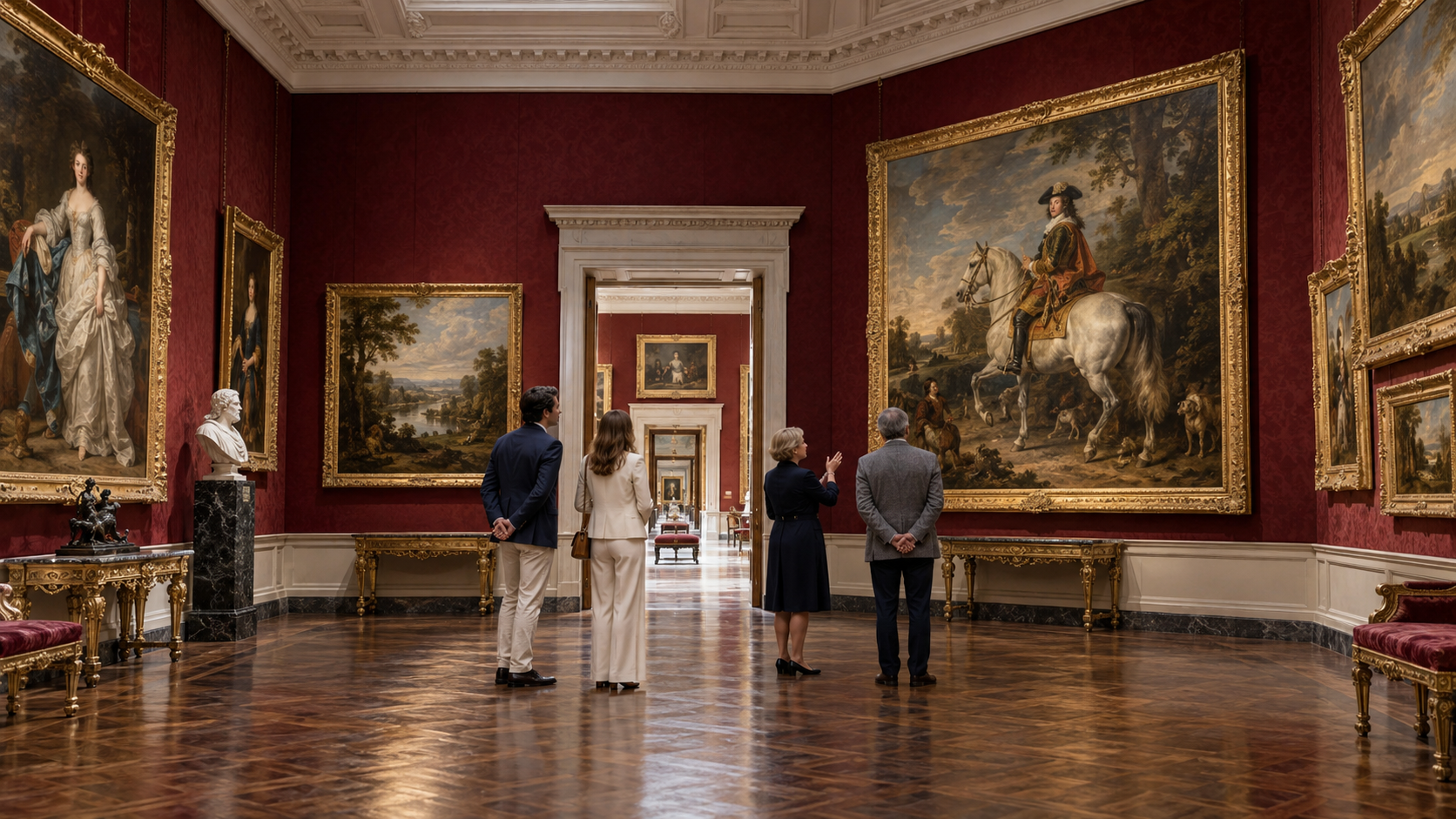
Works by Jacques-Louis David, Théodore Géricault and Eugène Delacroix can support an evening about public life, political imagery and artistic ambition. Large canvases reward a sequence of looking: first the overall composition, then the figures and details that direct your attention.
For sculpture, the Winged Victory of Samothrace and the Venus de Milo invite different conversations about balance, movement and viewpoint. A route including these works must account for circulation and stairs. Confirm display availability rather than building an inflexible itinerary around assumed access.
What if your interests lie in interiors and craftsmanship?
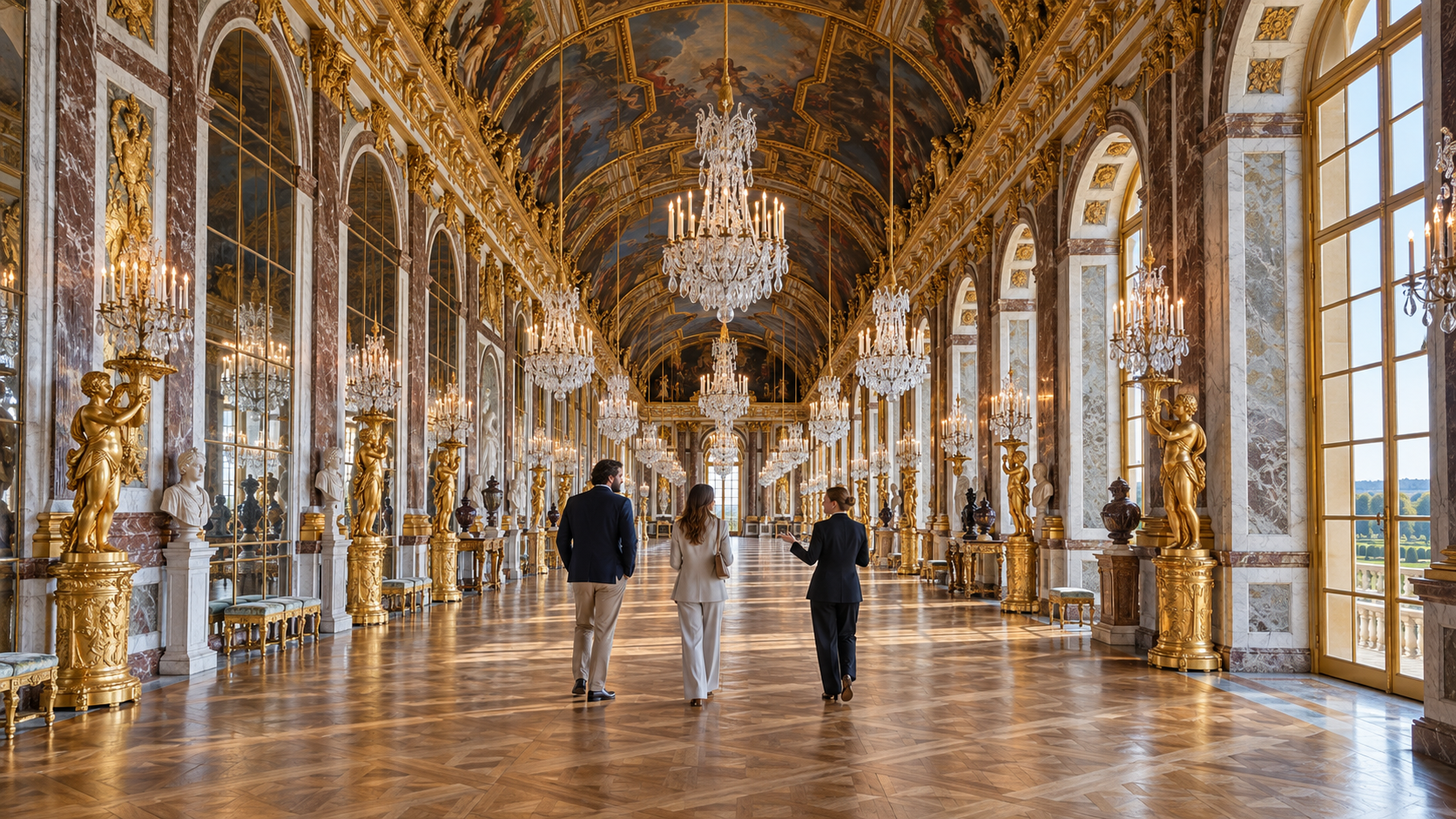
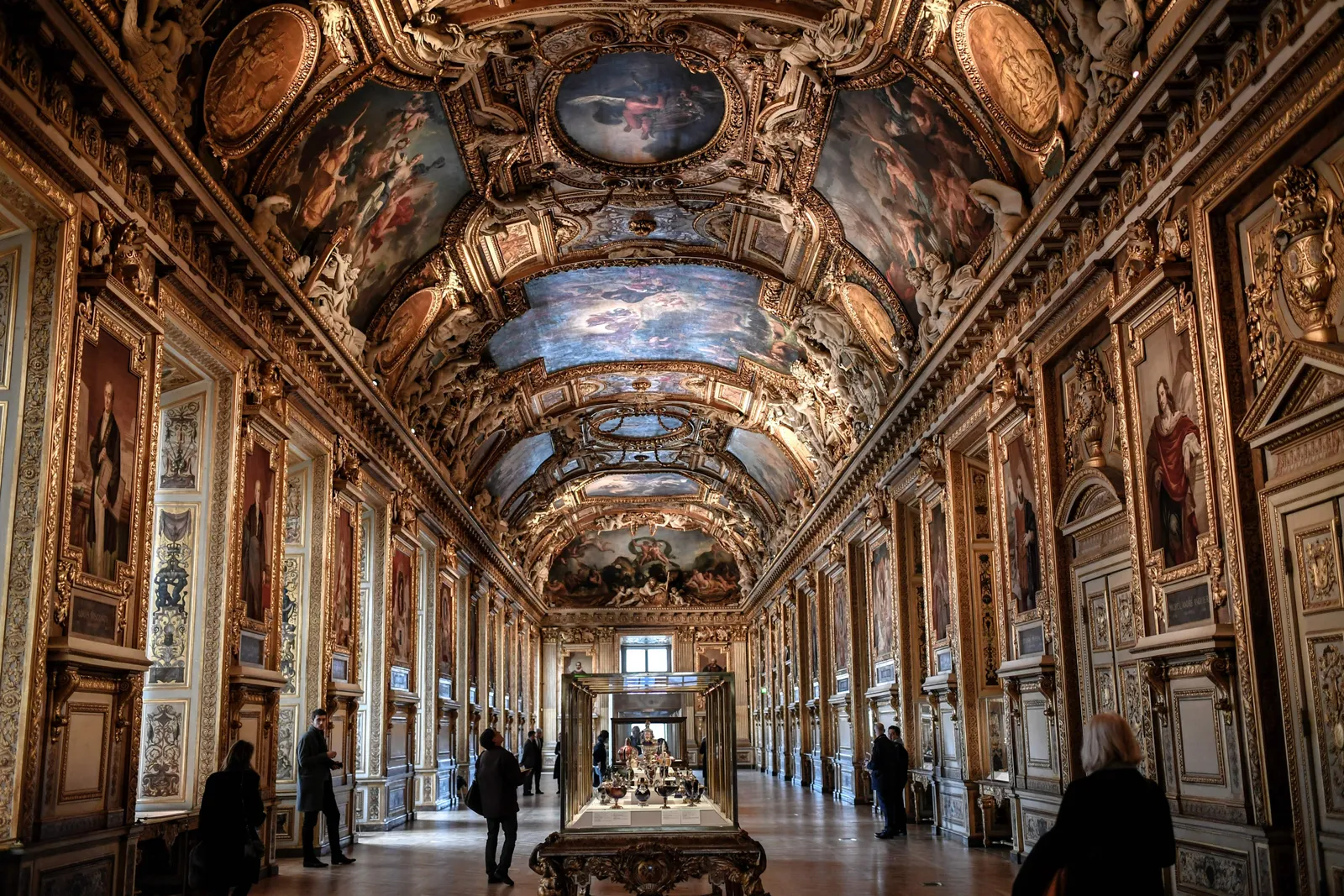
Decorative arts offer a compelling alternative to a painting-led visit. The Napoleon III Apartments in the Richelieu wing provide a setting for considering ceremonial rooms, materials and the display of status. The question becomes how furnishings work together, not simply which individual object is most valuable or elaborate.
Does a private tour mean the Louvre is closed to everyone else?
A private guided tour can take place during public opening hours, alongside other museum visitors.
“Private,” “by night” and “curated” describe different aspects of an experience and should not be treated as interchangeable. A late-opening visit may be private only in the sense that your guide is dedicated to your party. Any exceptional access requires a distinct arrangement and explicit confirmation of its scope.
A curated itinerary also does not automatically mean accompaniment by a Louvre staff curator. Ask who will lead the visit, what their expertise is and whether any access beyond ordinary admission is included. If exclusive access is proposed, clarify the spaces, timing and restrictions rather than assuming the entire museum is involved.
When can you visit the Louvre in the evening?
An evening visit should be scheduled around the Louvre’s late-opening programme and checked against the current museum calendar.
The Louvre’s regular schedule includes late openings on Wednesdays and Fridays, while Tuesdays are its weekly closure day. Holidays, operational changes and individual gallery schedules can affect a proposed visit. Confirm the relevant collections as well as the building’s opening hours before fixing the rest of the evening.
Late opening does not guarantee quiet galleries, particularly around the Mona Lisa. Season also changes the atmosphere: an evening arrival in summer may still be in daylight, whereas winter darkness falls much earlier. Choose the timing for the visit itself, not solely for the promise of a night-time setting.
How long should a focused visit last?
Allow roughly two to three hours as a planning range for an evening built around one main theme.
This is a recommendation for selective looking, not a claim that the Louvre can be comprehensively visited in that time. Separate security, entry and walking time from time spent with the collection. Confirm whether the quoted guiding duration begins at the meeting point or inside the museum.
A useful sequence is a short orientation, the principal collection and a final comparative stop. Agree an alternative that preserves the theme if a room is unavailable. Do not plan to remain with the last work until the advertised closing time, because gallery clearance can begin earlier.
What logistics should be settled before arrival?
The meeting point, admission arrangements and onward journey should be confirmed before the evening begins.
Timed admission does not remove security screening. Establish which entrance to use, whether you meet your guide inside or outside, and what happens if you arrive late. Check current bag restrictions and avoid bringing luggage from a transfer directly to the museum.
For visitors with reduced mobility, the route needs to account for lifts and level changes, not just walking distance. Leave room after the visit for collecting belongings, reaching the exit and meeting a vehicle. A dinner reservation should allow for that transition as well as Paris traffic.
What should the final proposal make clear?
The proposal should distinguish guiding, admission and any exceptional access as separate elements.
Check whether museum tickets and transport are included, how changes are handled and which cancellation terms apply. Confirm guide language and specialist availability early. The clearest arrangement describes what is actually reserved without relying on the atmosphere suggested by the experience’s name.
To explore Evorand’s The Louvre — By Night & Private Curated Tour, share your interests and intended Paris dates. Discuss the evening’s focus with Evorand, alongside the guiding and access options available for your visit.
Frequently asked questions
- Is there a dress code for an evening visit to the Louvre?
- Ordinary Louvre admission does not require formal evening dress. Comfortable footwear is advisable; a separately arranged event may have its own dress requirements.
- Can I take photographs during a Louvre tour?
- Photography and video for personal use are generally permitted in the Louvre’s permanent collections, without flash or additional lighting. Temporary exhibitions and individual displays may have restrictions, so follow the signs in each gallery.
- Is the Louvre the best Paris museum for Impressionism?
- The Musée d’Orsay is the more suitable choice for a visit centred on Impressionist painting. The Louvre’s painting collections primarily cover earlier periods.
- Can children enjoy an evening Louvre visit?
- Yes, provided the length and subject suit their age and energy levels. A focused theme such as mythology, animals or palace life can be easier to engage with than a broad survey of art history.
- Can I leave the Louvre for dinner and return on the same ticket?
- Under the Louvre’s standard visiting rules, leaving the museum ends admission and re-entry on the same ticket is not permitted. Schedule an outside meal after the visit and check the conditions attached to your ticket.