Paris Private Art Collection Tours: Planning Around Your Interests
Evorand · 6 October 2026
The most rewarding private collection visits begin with a clear interest, not a list of coveted addresses. How to shape a Paris art itinerary around meaningful encounters, host consent and realistic expectations.
Paris private art collection tours are arranged around your collecting interests, the host’s explicit consent and mutual availability, rather than purchased as standard admission. A well-designed enquiry establishes what you want to understand, distinguishes a collector visit from a private museum tour, and keeps worthwhile alternatives available until access is confirmed.
What counts as a private collection visit?
A private collection visit is an encounter whose access conditions are controlled by the owner or an authorised representative. The setting might be a residence, a dedicated collection space or another private property. Neither the full collection nor the collector’s personal attendance should be assumed.
Private ownership and private access are different things. The Pinault Collection exhibitions at the Bourse de Commerce and the programme at Fondation Louis Vuitton offer publicly accessible ways to encounter privately assembled collections. Booking a personal guide does not automatically provide access outside their normal visitor arrangements.
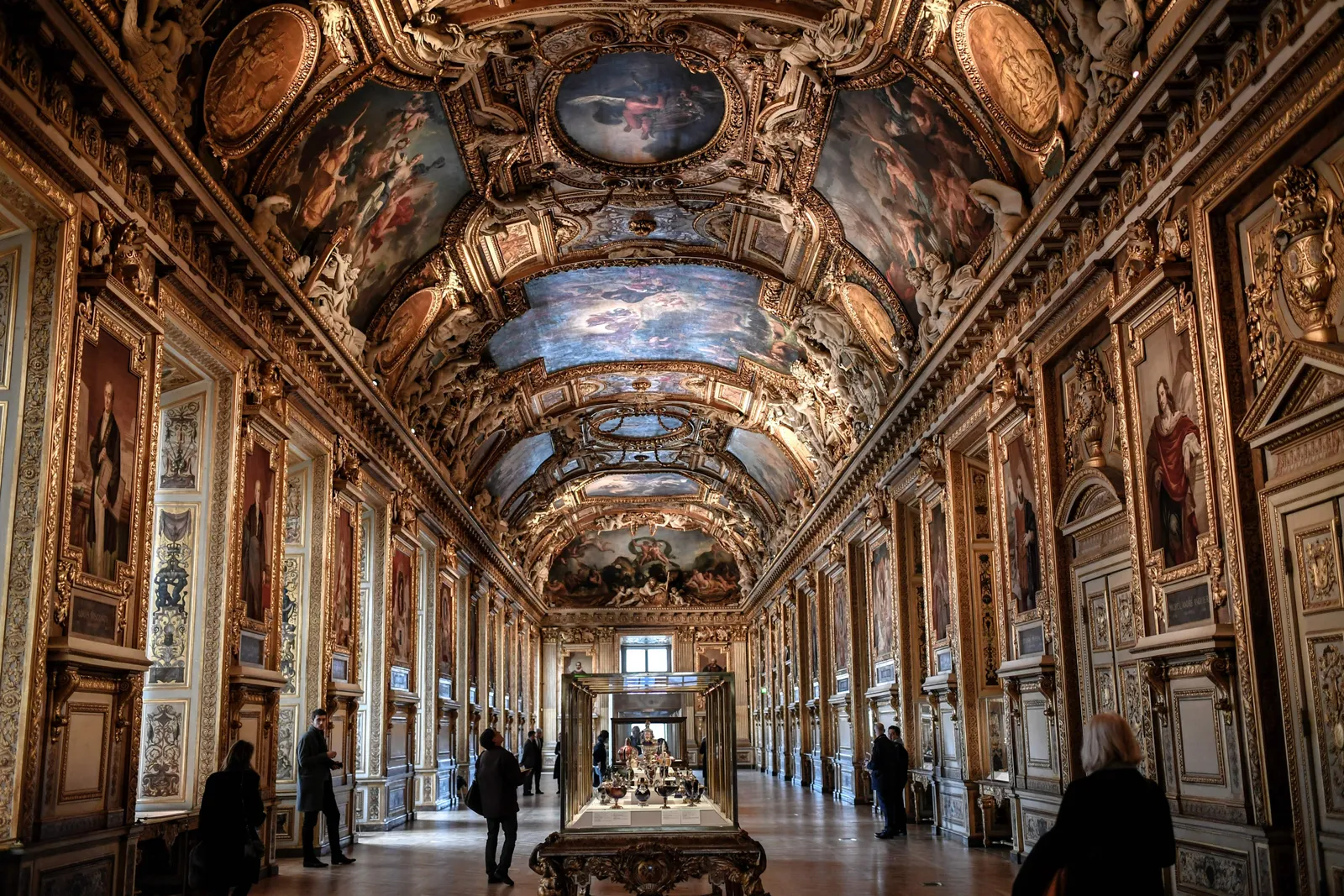
The same distinction applies to the Louvre: a private guided visit does not mean entry to storage, conservation studios or galleries after closing. Any such request requires separate institutional permission. Ask precisely what “private” describes: your guide, the space, the timing or the invitation.
How should Paris private art collection tours reflect your interests?
The strongest starting point is a focused question rather than a wish list of prestigious addresses. “Contemporary art” gives a broad direction; an interest in post-war abstraction, photographic editions or the relationship between art and domestic architecture gives the enquiry substance.
You need not already own a collection. Serious curiosity can be a more useful introduction than an acquisition history, particularly when the purpose is learning rather than buying. Established collectors should explain what they hope to investigate, not simply list artists they own.
- Subject: periods, artists, regions or media that genuinely interest you.
- Purpose: learning, developing an existing collection or researching a possible acquisition.
- Conversation: questions about display, conservation, provenance or the collection’s development.
- Practical details: dates, party size, preferred language and flexibility.
- Boundaries: information you permit to be shared and any accessibility requirements.
A short, thoughtful brief helps establish whether a proposed encounter is a good fit for both visitor and host. It also prevents a programme from becoming a succession of impressive but unrelated rooms.
How does host consent work?
A private visit becomes possible only when the owner or authorised representative accepts the request and its conditions. An introduction can establish relevance and trust, but it is not a guarantee. Hosts may decline because of travel, privacy, installation work or other commitments.
The sequence should be clear: define the brief, agree what personal information may be shared, submit the request, then confirm the scope and arrangements. Guest names, photography rules and the accompanying specialist may need approval. Treat a proposed visit as provisional until those details are settled.
Confirm separately whether you will meet the collector. A collection manager or specialist may instead lead the encounter, sometimes offering particularly detailed knowledge of individual works. That can be an excellent visit, but it is not the same proposition as a conversation with the owner.
When is the best time to visit Paris for art?
The best timing balances the city’s exhibition calendar with the availability of the people you hope to meet. Art Basel Paris takes place in October; check the current edition’s dates before arranging travel. Fair season brings an active programme, but also competes for collectors’ and galleries’ attention.
August can be less suitable for appointment-led itineraries because some galleries close for summer and hosts may be away. A quieter week outside major events can work well when the right people are available. No season guarantees access.
Begin enquiries while your travel plans are still flexible rather than after every hour is committed. There is no universal booking window for private collections. Offer several possible time slots, and avoid making non-refundable travel arrangements solely around an invitation that has not been confirmed.
How much should you plan in one day?
A collection-led day works best when the principal appointment has breathing room around it. Agree the expected duration with the host rather than assuming a standard tour length. Transfers, building access and a conversation that finishes promptly all deserve space in the schedule.
One possible structure is a public exhibition in the morning, time to review questions over lunch, and a confirmed private appointment in the afternoon. This is a planning model, not a promised itinerary. The morning exhibition should provide context rather than simply fill time.
Le Marais and Saint-Germain-des-Prés are useful areas to consider for gallery visits, but the confirmed private address should determine the route. Do not organise the day around an assumed location. Paris traffic and entrance procedures can make apparently short transfers less predictable than a map suggests.
What happens during the visit?
Expect a focused encounter within the host’s boundaries, not unrestricted access to everything in the collection. Some works may be on loan, in storage or unavailable for conservation reasons. A requested artist or artwork should never be treated as guaranteed without confirmation.
Good questions explore choices: why a work entered the collection, how its neighbours affect its reading, or whether the collector’s interests have changed. Purchase prices, personal circumstances and security arrangements are more sensitive. Let the host decide whether to introduce those subjects.
Ask before taking photographs, and distinguish permission to photograph from permission to publish. Names, addresses, location tags and images may each carry different restrictions. Keep the agreed guest list unchanged and follow instructions about bags, proximity to artworks and movement through private rooms.
Does a private visit involve buying art?
A private collection visit does not in itself create an obligation to buy. Viewing a collector’s holdings is different from attending a commercial gallery appointment. If acquisition research is part of your purpose, disclose that early so expectations remain clear.
Where a purchase becomes possible, separate the pleasure of the encounter from due diligence. Provenance, condition, authenticity documentation and any applicable export requirements warrant their own review. Ask for transparent disclosure of advisory fees or commissions, and take independent advice where appropriate.
What if the requested collection is unavailable?
A credible alternative preserves the intellectual purpose of the day without pretending to offer identical access. A photography-focused enquiry might instead lead to a relevant exhibition and a confirmed gallery conversation. Neither should be presented as equivalent to entering a collector’s home.
The written itinerary should distinguish confirmed appointments, pending requests and alternatives. It should also specify whether guiding, transport, admissions and language support are included, alongside applicable cancellation terms. Clear boundaries make the experience more assured, not less personal.
To explore a Paris programme with Evorand, share your interests, travelling party and preferred dates. A Private Art Collections enquiry begins with what you would like to understand; any proposed access remains subject to the host’s agreement and availability.
Frequently asked questions
- Can children join a private art collection visit in Paris?
- Children may be welcome, but admission depends on the host and the setting. Include their ages in the initial enquiry so suitability and any restrictions can be confirmed before the visit.
- Can a private collection visit be conducted in English?
- Request English-language hosting, guiding or interpretation when submitting the enquiry. Availability must be confirmed, and an interpreter entering a private property needs to be included in the approved party.
- How much do private collection visits in Paris cost?
- There is no universal tariff for a bespoke private collection programme. Request a written breakdown of guiding, transport, interpretation and any venue-related charges, with the scope of each confirmed service clearly stated.
- Are private collection spaces wheelchair accessible?
- Accessibility varies, particularly in private residences and historic buildings. Step-free entry, lift dimensions, internal circulation and accessible facilities should be checked for the specific address before confirmation.
- Will I need to provide identification before visiting?
- A host or venue may request visitor names and identity verification for security. Ask what information is required, why it is needed and who will receive it before supplying personal documents.