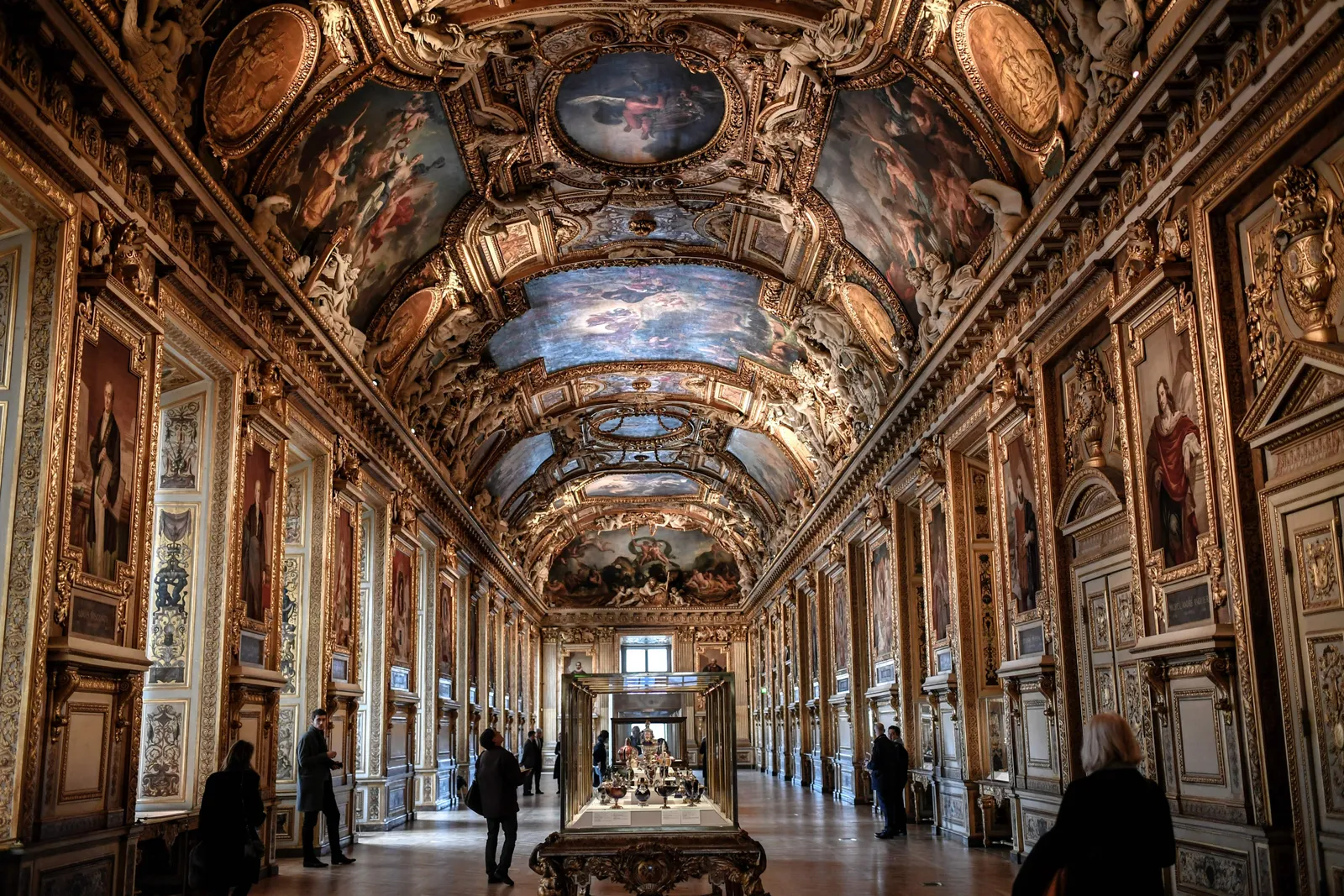
Rome Private Palazzo Tours: The Art of a Private Visit
Evorand · 12 October 2026
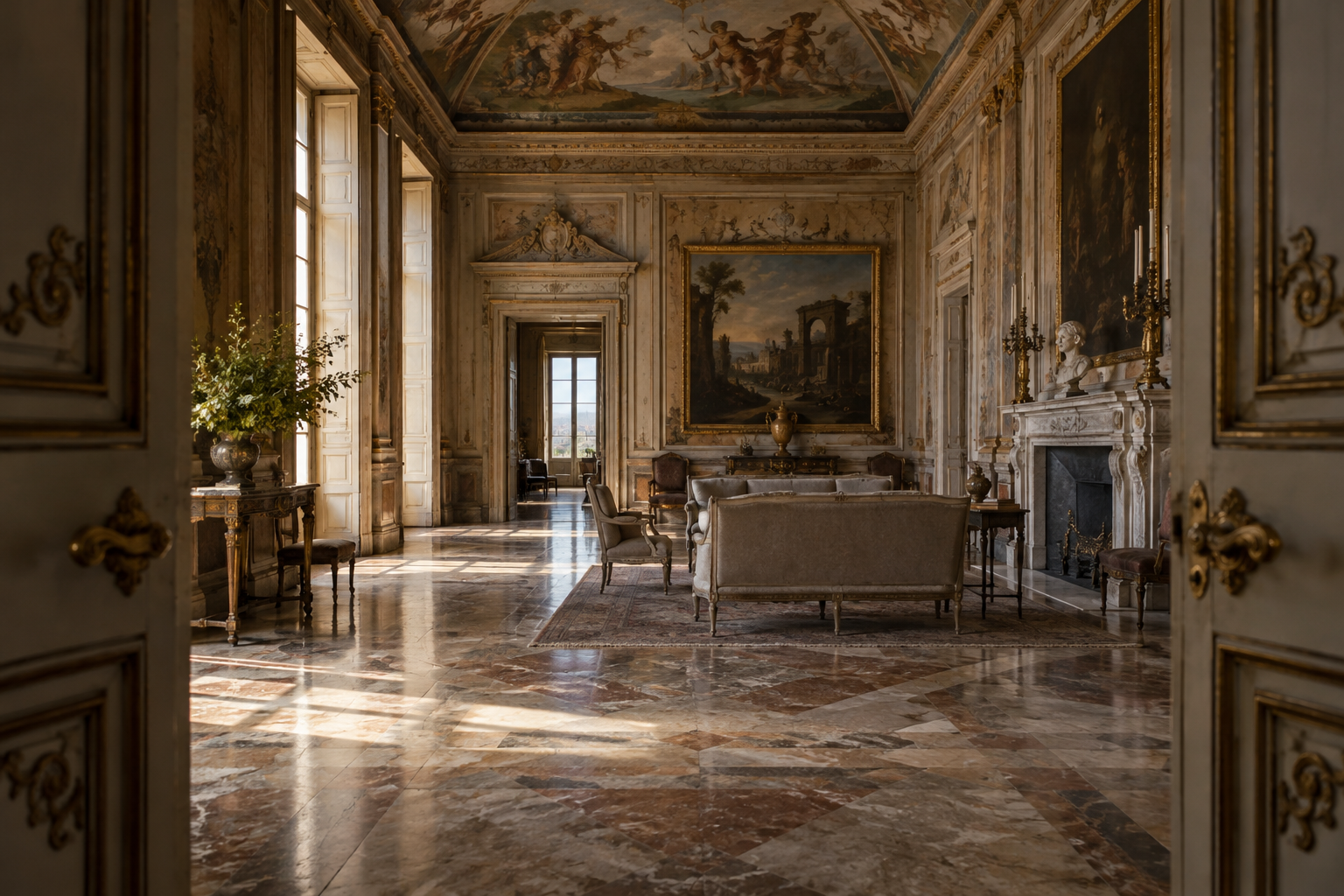
A private palazzo visit begins with a thoughtful brief, not a list of closed doors. How collection interests, household permissions and quiet preparation shape a richer encounter with Rome.
Rome private palazzo tours are arranged by matching your artistic interests with a property's permitted access, then confirming the rooms, timing and conditions in advance. A private guide does not automatically mean exclusive use of a palace or admission to rooms closed to the public.
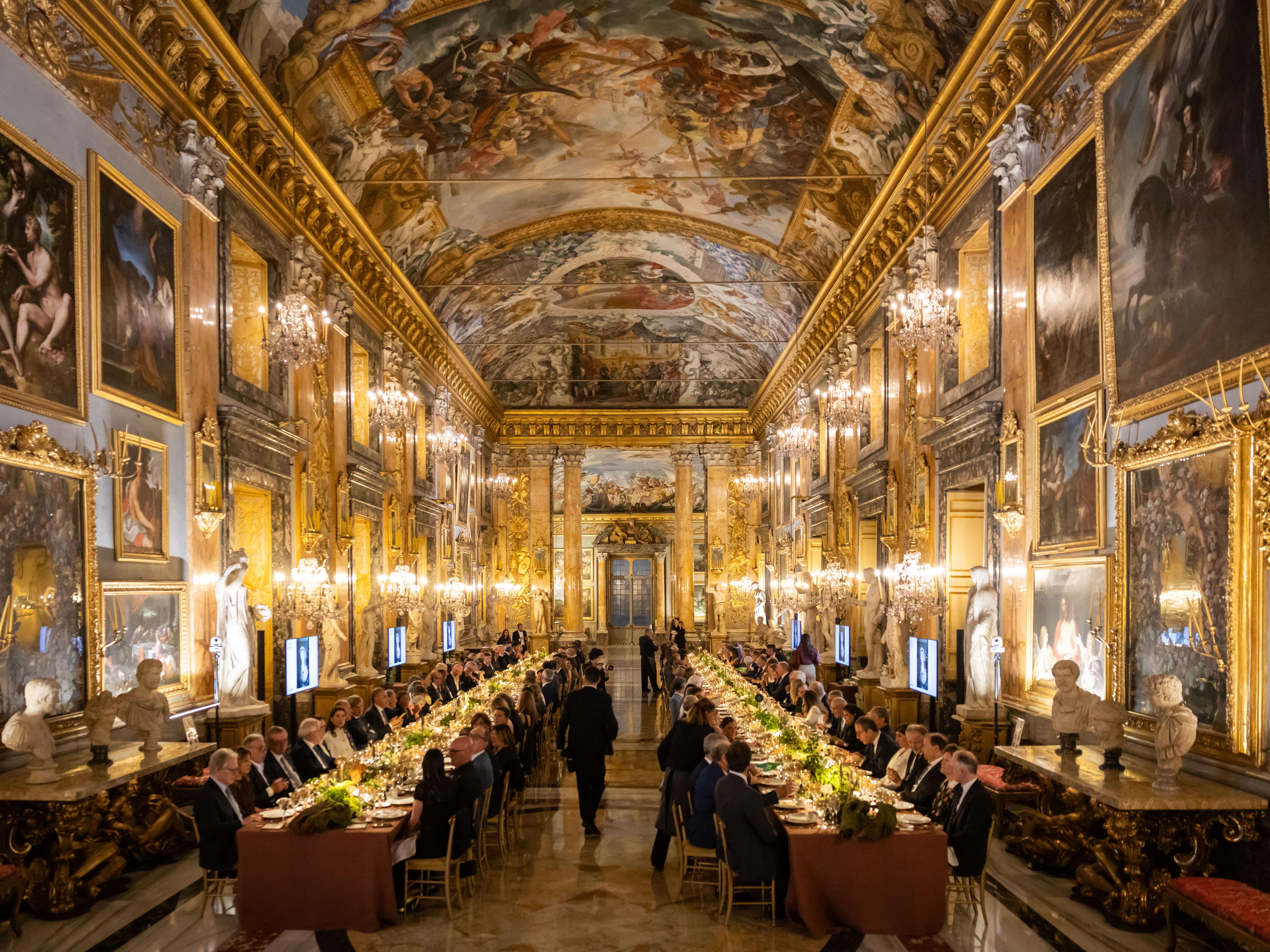
The distinction matters in Rome, where a palazzo may be a museum, a working institution, a family residence or a combination of these. The most rewarding visit is not necessarily the one with the most restricted doorway. It is the one that brings a collection, its setting and the people who shaped it into focus.
What do Rome private palazzo tours actually include?
A private palazzo visit includes only the access and services explicitly confirmed for that appointment. The word private can describe the guiding arrangement, the use of a particular gallery or permission to enter otherwise closed rooms.
These are different propositions. Visiting a public collection with your own guide does not remove other visitors; an out-of-hours appointment does not necessarily include domestic apartments. Exclusive use of selected rooms is also different from having an entire building to yourselves.
Ask which spaces are included, whether other people may be present and who will accompany you. A clear description is more useful than an expansive promise of access.
Which artistic interests should shape the visit?
The strongest brief starts with what you want to understand, rather than a list of famous addresses. Old Master paintings, antiquities, decorative arts and the architecture of aristocratic life each suggest a different route through Rome.
Velázquez's portrait of Pope Innocent X at the Galleria Doria Pamphilj provides a starting point for portraiture and power. Pietro da Cortona's great ceiling fresco at Palazzo Barberini offers another for the relationship between painting, architecture and patronage. These are public cultural reference points, not promises of private access to either property.
A question such as “How did Roman families build their collections?” can be more productive than requesting highlights alone. It gives a guide room to connect inheritance, commissions, display and family identity.
How does household permission work?
Access to non-public rooms requires explicit approval from the owner, management or authorised representative responsible for those spaces. Submitting a request is not the same as securing an appointment.
The request should explain your preferred dates, party size, collection interests and any practical requirements. Management can then assess the proposed visit against household commitments, conservation work and security arrangements. Approval may cover a defined route rather than an unrestricted visit.
Meeting a family member, being accompanied by a curator or seeing archival material should never be assumed. Each involves a separate commitment and must be confirmed if it matters to your plans. Respecting these distinctions is part of entering a private setting well.
When should you start arranging a visit?
Begin enquiries as soon as your Rome dates take shape, and offer alternatives wherever possible. There is no universal booking window for private palazzi because each property controls its own calendar.
April, May, September and October can be busy months for cultural travel in Rome. July and August bring heat that affects the comfort of walks between appointments, while historic interiors should not be assumed to have museum-standard air conditioning. Administrative availability during August also needs checking.
If a particular collection is your priority, keep the surrounding itinerary flexible. If your travel dates cannot move, identify the underlying interest so another suitable setting can be considered without losing the purpose of the visit.
What should your initial enquiry contain?
A concise, specific brief makes it easier to assess both suitability and availability. Distinguish essential requirements from preferences rather than treating every request as a condition.
- Dates: Your time in Rome, with alternative days or appointment windows.
- Party details: Guest numbers and the ages of any children.
- Collection interests: Artists, periods, media or architectural themes you would like to explore.
- Guiding: Preferred language and whether you want an introduction or a specialist discussion.
- Mobility: Requirements concerning stairs, standing, seating or step-free access.
- Specific requests: Particular works, non-public rooms or photography permissions that matter to you.
A collector interested in attribution will need a different conversation from a family encountering Baroque art for the first time. Neither brief is better; clarity allows the visit to be appropriate.
What happens during a private visit?
The visit follows the agreed appointment and permitted route, rather than the unrestricted movement you might expect in a public gallery. Arrival procedures may include a designated entrance, a security check and an introduction to the property's rules.
Start by understanding the building. The courtyard, staircase and piano nobile—the principal floor traditionally containing formal reception rooms—help explain how guests were received and status was expressed. A painting seen within that sequence can carry a different meaning from the same work considered in isolation.
Leave room for looking as well as listening. A thoughtful guide should have space to respond to your questions, but moments of silence can be equally valuable. Confirm the duration beforehand rather than assuming the appointment can run over.
What etiquette matters inside a palazzo?
Follow the property's instructions and treat domestic privacy as seriously as the protection of the art. Permission to enter does not imply permission to open doors, wander beyond the route or document everything you see.
Ask about photography before taking out a camera. Permission for personal photographs may not extend to publication, social media, recording conversations or sharing the location of private rooms. Avoid photographing household papers, family images or security arrangements without explicit approval.
Choose considered, comfortable clothing and footwear suitable for historic floors. Do not touch furnishings, wall coverings or artworks, and ask before sitting: a chair that looks usable may be part of the collection. Any property-specific dress requirements should be established before arrival.
How should the visit fit into a day in Rome?
Make the confirmed palazzo appointment the fixed point around which the rest of the day is arranged. Narrow streets and limited-traffic zones in central Rome mean a vehicle may not be able to stop at the entrance.
Confirm the correct doorway, drop-off point and final walking approach. Allow breathing room for arrival formalities and a pause afterwards, rather than moving immediately into another major collection. A nearby church or an unhurried lunch may complement the visit better than a second intensive appointment.
Before departure, obtain written confirmation of the rooms, guiding language, duration, transport arrangements and change conditions. If one artwork is the reason for your visit, ask specifically about its expected availability: loans and conservation can alter what is on display.
To explore Evorand's The Realm of the Palazzo, share your preferred Rome dates and collection interests. The conversation begins with what you hope to discover, allowing the proposed visit to take shape around that curiosity.
Frequently asked questions
- Can children join a private palazzo visit in Rome?
- Admission policies and any age restrictions are set by the individual property. Include children's ages in the enquiry so the suitability of the route and interpretation can be assessed.
- Can you buy art during a private collection visit?
- Access to a collection does not mean its works are for sale. Any acquisition enquiry should be handled separately from the cultural visit.
- Are drinks or refreshments included in a private palazzo tour?
- Refreshments are not inherent to a private visit and must be specifically confirmed. Conservation rules may prohibit food and drink in collection rooms.
- Will I need identification to enter a private palazzo?
- Identification and advance guest-list requirements vary by property. Ask which documents or details are required and how they should be submitted before your appointment.
- Can a solo traveller request a private palazzo visit?
- A solo traveller can make an enquiry, but acceptance and any minimum attendance conditions depend on the property. Private access does not have a universal group-size requirement.