Serengeti Migration Best Viewing Months: Regions and Camps
Evorand · 28 October 2026
The right migration month depends on the experience you want. Follow the seasonal movement from southern calving grounds to northern rivers, with a clear-eyed guide to choosing your camp.
The Serengeti migration best viewing months are generally January–March for calving on the southern plains and July–October for seeking Mara River crossings in the north. The migration continues year-round, but rainfall shifts herd locations and no month guarantees a crossing.
The useful question is not simply when to visit, but which part of the migration you want to experience. Newborn calves, columns of animals moving across open country and the tense wait beside a river require different locations—and different expectations.
Serengeti migration best viewing months: where should you stay?
Choose your region around the seasonal movement of the herds, treating the calendar as a planning guide rather than a fixed itinerary.
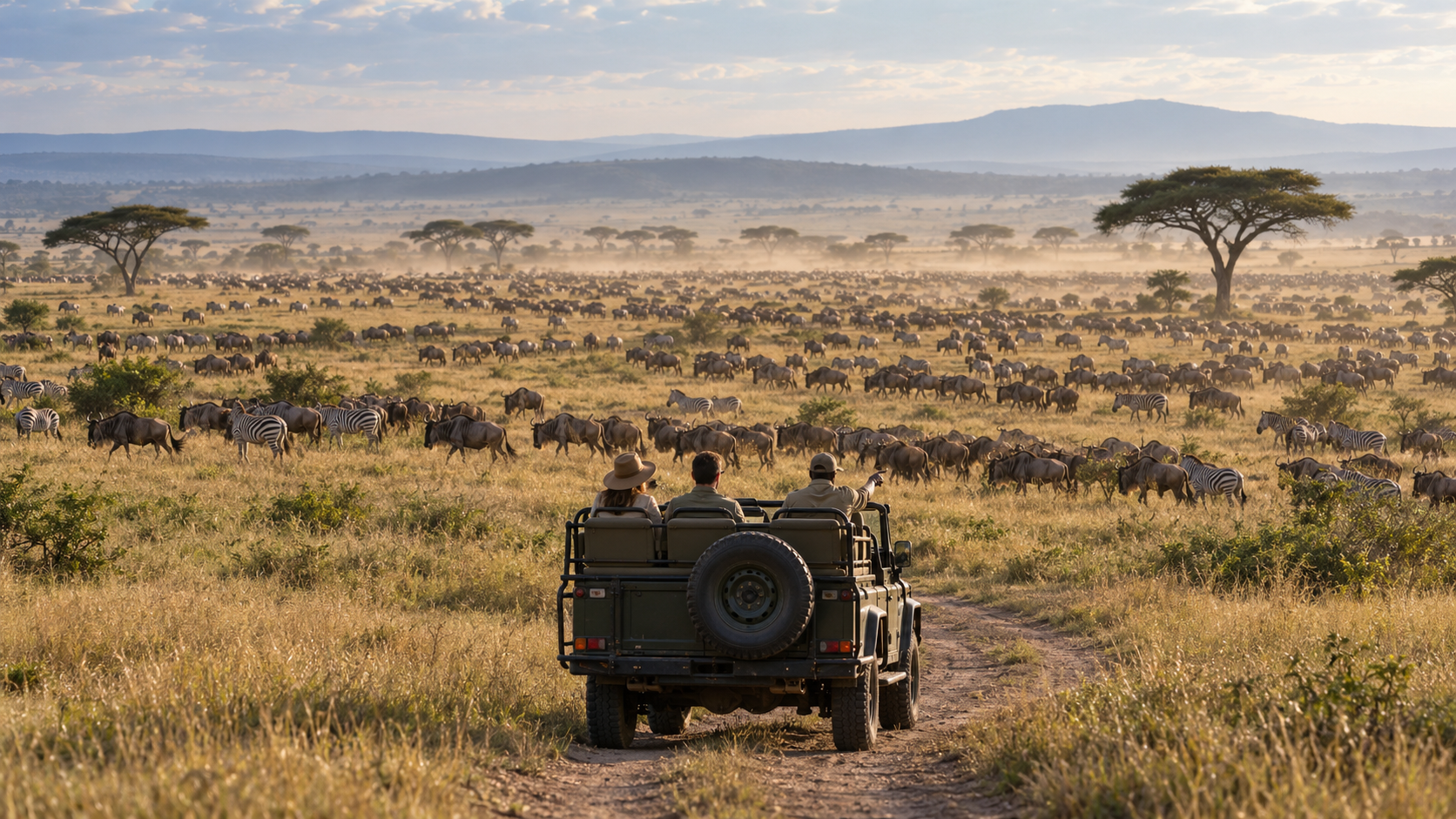
Wildebeest and accompanying zebras follow grazing influenced by rainfall. The migration is not one compact herd moving clockwise on schedule: groups split, linger and sometimes reverse direction.
January, February and March: where is the calving?
The southern Serengeti plains and the Ndutu area extending into the Ngorongoro Conservation Area are the principal focus early in the year. Calving generally peaks around February, with short-grass plains offering expansive views of herd behaviour.
January distribution depends on the rains, while March can bring continued calf sightings and changing grazing patterns. Ask exactly where a southern camp stands: “Ndutu” describes an area, not a single location or uniform set of operating rules.
April and May: is the wet season worthwhile?
April and May can find herds spreading through southern, central and western areas as the long rains affect access. Green landscapes and dramatic skies reward flexible travellers, but some camps close seasonally.
Confirm operating dates, air connections and wet-weather transfer arrangements before committing. These months favour an adaptable wildlife itinerary over a narrow promise of finding the main herds in one specific valley.
June: should you choose the Western Corridor?
June often brings attention to the Western Corridor and the Grumeti area as herds move northwards. Grumeti River activity is distinct from the better-known Mara River crossings farther north.
Some groups may already be advancing while others remain in western grazing areas. A June camp should be selected using seasonal patterns and current field reports, not its association with migration photography alone.
July, August, September and October: when are the river crossings?
July–October is the broad planning window for seeking Mara River crossings in northern Serengeti, including the Kogatende and Lamai areas. Herd distribution between Tanzania and Kenya’s Masai Mara varies with conditions.
Arrival in the north can shift in July, and August or September does not bring crossings every day. October may combine lingering northern herds with the beginning of southward movement; the calendar does not provide a definitive closing date.
November and December: where do the herds return?
November and December can see movement through eastern and central Serengeti towards southern grazing, influenced by the short rains. A December booking in the south still requires a realistic assessment of seasonal conditions.
Central Serengeti’s Seronera area offers resident wildlife beyond the migration. An excellent central safari, however, is not necessarily the same as staying close to the main migratory herds.
Can a private safari guarantee a river crossing?
No private safari can guarantee a Mara River crossing because the animals determine whether, where and when to enter the water.
Herds may gather for hours and then retreat, or cross somewhere unexpected. Crossings are not a single annual procession: animals can move in both directions and cross repeatedly.
Several full days in a suitable northern location provide more opportunities than a brief visit. They also allow the safari to remain rewarding without a crossing, through predator sightings, birdlife and the quieter detail of herd behaviour.
Responsible positioning matters. A guide should not block an approach to the river or pressure animals into moving; patience is part of the experience, not a service failure.
Should you choose a mobile camp or a permanent lodge?
The best migration base is the one with useful access to likely herd locations during your stay, not necessarily the most elaborate accommodation.
Seasonal mobile camps operate from different sites at designated times of year. They do not ordinarily pack up nightly and follow the animals while guests sleep, so confirm the camp’s actual location for your dates.
Permanent properties may offer more extensive facilities, although standards and layouts vary. A river-facing tent does not guarantee a crossing outside; the practical advantage is reduced travel to relevant viewing areas.
- Location: Confirm the camp area, arrival airstrip and access to likely wildlife concentrations.
- Vehicle: Establish whether your guide and vehicle are private or shared.
- Comfort: Ask about hot water, electricity, laundry and connectivity rather than assuming.
- Daily rhythm: Check arrangements for full-day drives and meals in the field.
- Inclusions: Review park fees, transfers and booking conditions in writing.
What does private access actually mean on safari?
A privately planned safari offers control over your arrangements, not exclusive rights to wildlife or public-park riverbanks.
A dedicated vehicle can accommodate longer photographic waits, earlier departures or shorter outings with children. Private guiding must be explicitly confirmed; a high room category does not automatically include it.
Walking, night drives and off-road driving depend on the relevant protected area’s rules and permissions. An activity permitted in a neighbouring private conservancy may not be available under the same conditions inside Serengeti National Park.
How many nights should you allow, and how do you get there?
Fewer camp moves and more complete days in the right region generally create a better migration itinerary than trying to cover the entire ecosystem.
As a planning example, four nights in your principal migration area can provide space for patient viewing, without guaranteeing any particular sighting. A longer journey might add central Serengeti, but every transfer consumes time otherwise available in the field.
Many Tanzanian itineraries connect through the Arusha area to safari airstrips by light aircraft. Match the airstrip to the camp and verify luggage weight limits and soft-bag requirements with the operating carrier.
Combining Serengeti and Masai Mara involves an international border, not simply continuing a game drive across the map. Confirm the permitted transfer route, entry requirements and realistic connection times before selecting camps on both sides.
Begin with your date range and preferred wildlife experience, then select the region, camp and transport. Recent field reports should refine daily decisions, but should not be mistaken for a promise that confirmed accommodation can be relocated at short notice.
Which journeys belong on the wider shortlist?
The most relevant next choices either extend an African journey or reserve another wildlife environment for a separate trip.
- The Great Migration in the Serengeti: The direct starting point for a date-led migration itinerary.
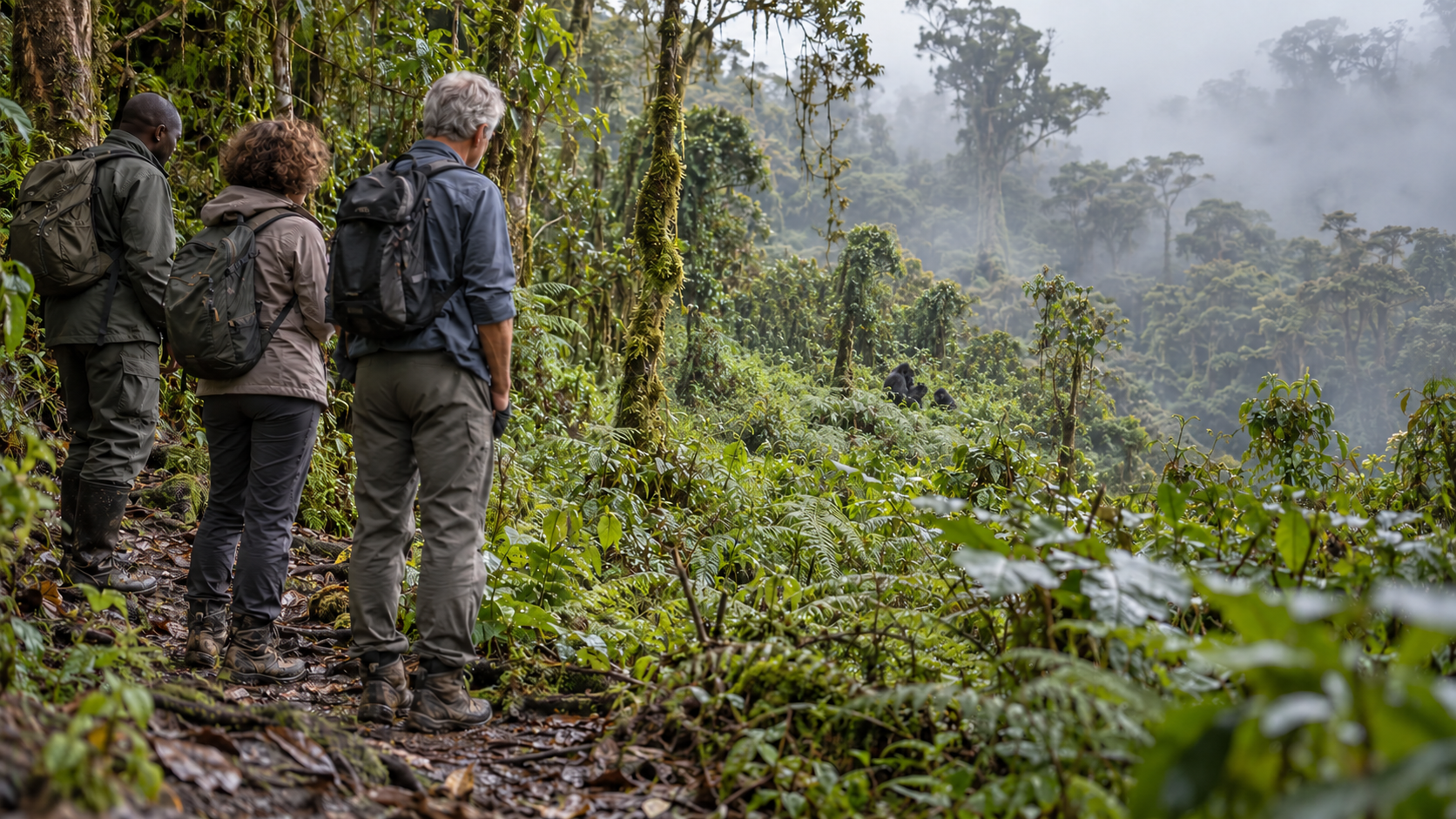
- Gorilla Trekking: Consider Rwanda or Uganda for a contrasting forest wildlife experience.
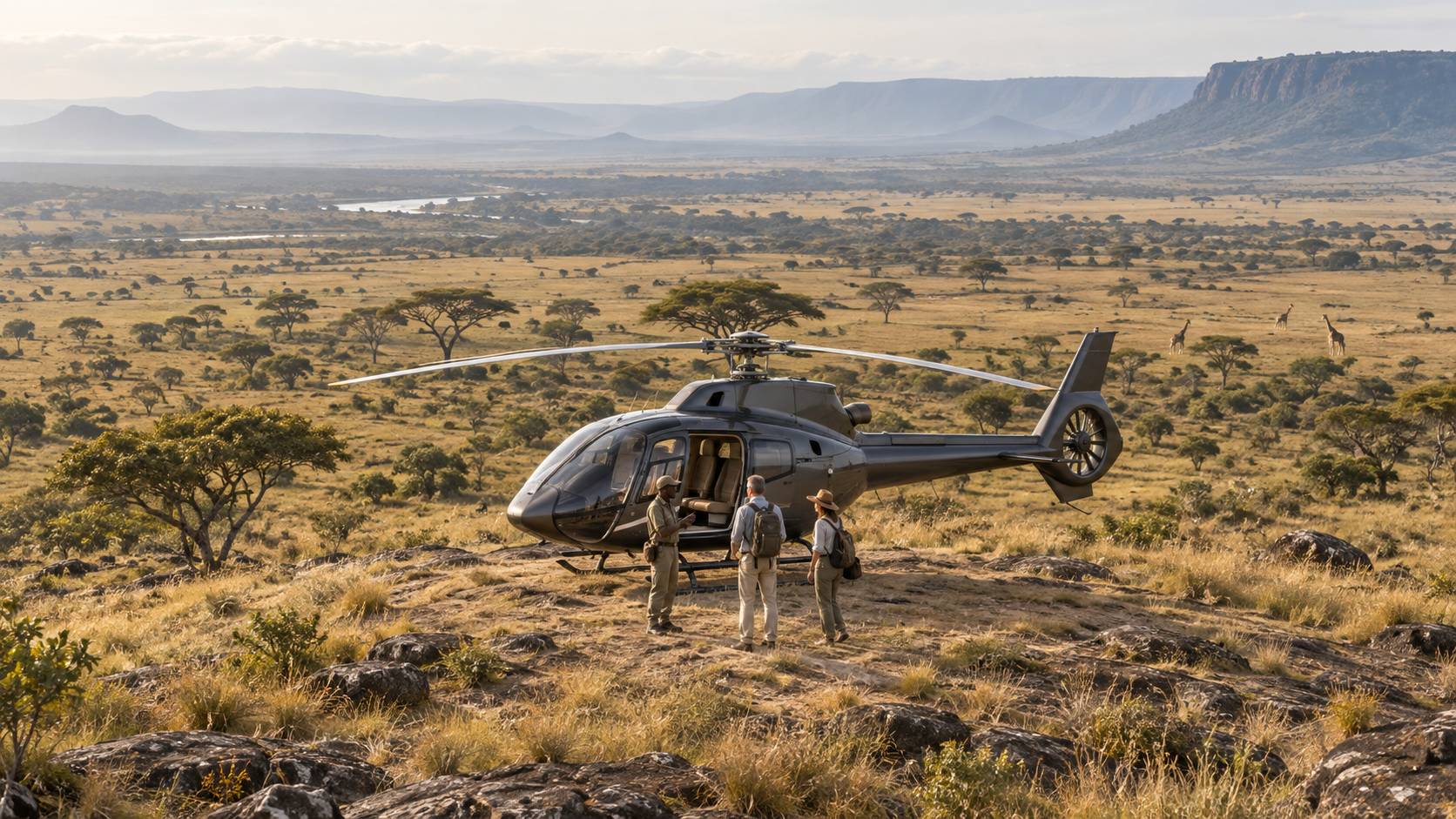
- Africa Helicopter Safari: A separate possibility for exploring African landscapes from another perspective.
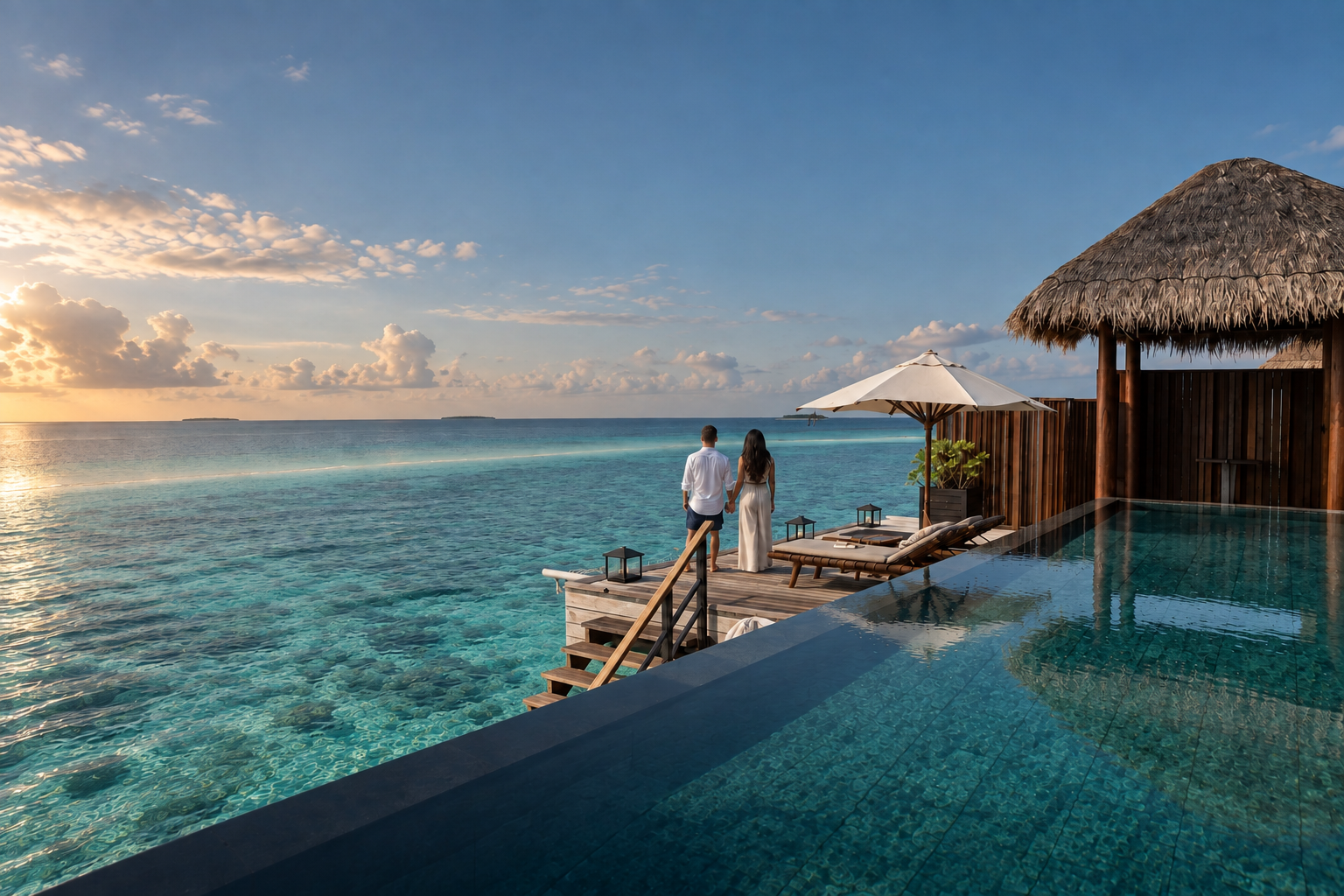
- Maldives: A quieter coastal conclusion, subject to suitable flight connections.
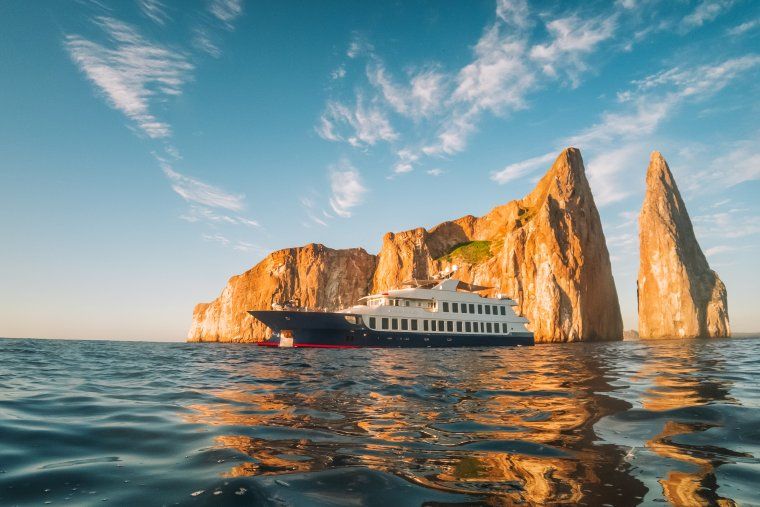
- Galápagos Islands: An island-wildlife journey to consider for another season.
- Raja Ampat: A future journey centred on Indonesia’s marine environment.
Share your dates and the experience you hope to find with Evorand, and plan a private safari whose region, camp and pace follow those priorities.
Frequently asked questions
- Is a Serengeti migration safari suitable for young children?
- Suitability depends on the child's tolerance for long drives and the camp's age policy. Confirm family accommodation, vehicle arrangements and any activity-specific age restrictions before booking.
- Do I need a yellow fever vaccination for Tanzania?
- Certificate requirements can depend on your country of arrival and transit routing. Check current entry rules and consult a travel-health clinician about vaccinations and malaria prevention for your individual itinerary.
- Can you see the migration from a hot-air balloon?
- Balloon safaris operate in parts of the Serengeti, but sightings depend on the launch location, weather and herd distribution. A flight cannot guarantee views of the main migration or a river crossing.
- What camera equipment should I bring for the migration?
- A telephoto lens helps with distant wildlife, while a wider lens captures herds within the landscape. Bring dust protection, spare batteries and memory cards, and check your equipment weight against the safari flight's baggage allowance.
- Does ordinary travel insurance cover a Serengeti safari?
- Coverage varies by policy, so verify that Tanzania, your planned activities, medical treatment and evacuation from remote areas are included. A camp's evacuation arrangement is not a substitute for comprehensive personal travel insurance.